Treating Water-Related Illness Without a Doctor
Contaminated water causes more deaths worldwide than war. When medical care isn't available, knowing how to recognize and treat waterborne illness can mean the difference between recovery and a life-threatening crisis.
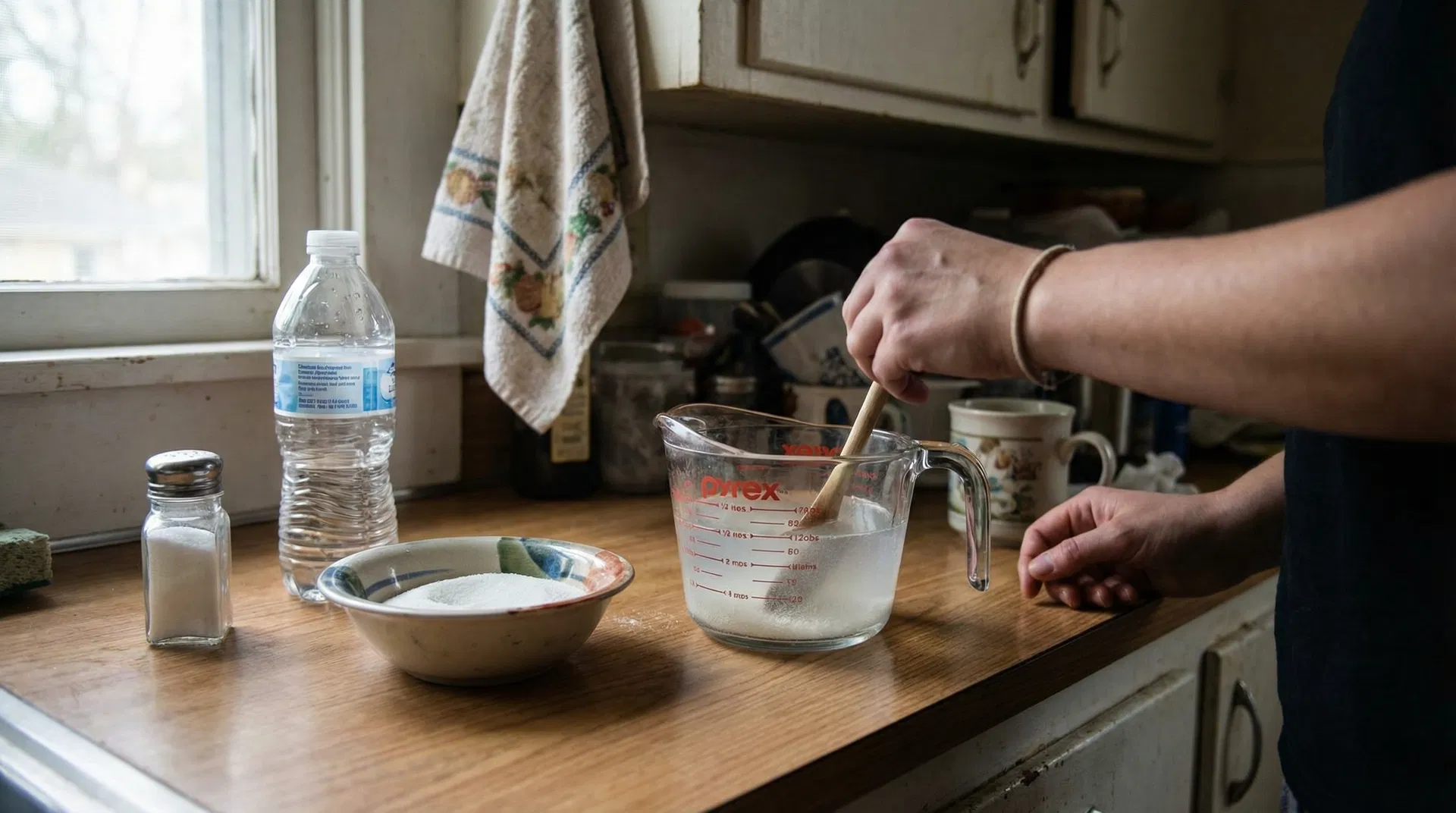
Treating Water-Related Illness Without a Doctor
You drank from that creek two hours ago, and now your stomach is cramping so hard you can't stand up straight. Contaminated water causes more deaths worldwide than war, and symptoms can appear within hours or take days to show up. When medical care isn't available, knowing how to recognize and treat waterborne illness can mean the difference between recovery and a life-threatening crisis. Here's what actually works when you're on your own.
The Three Types of Water-Related Illness
Not all waterborne illnesses are the same. The treatment that works for one can be useless or even dangerous for another. Understanding what you're dealing with is the first step to survival.
Bacterial Infections (E. coli, Salmonella, Campylobacter)
Onset time: 6 to 72 hours after exposure
Key symptoms: Severe diarrhea (often bloody), intense cramping, fever, vomiting
Danger level: High (dehydration can kill within 24 to 48 hours)
Bacterial contamination usually comes from human or animal waste in water sources. These infections cause violent, watery diarrhea that depletes your body of fluids faster than you can replace them. [1]
Parasitic Infections (Giardia, Cryptosporidium)
Onset time: 1 to 3 weeks after exposure
Key symptoms: Explosive diarrhea, sulfur-smelling gas, severe bloating, weight loss
Danger level: Moderate (debilitating but rarely immediately fatal)
Parasites are microscopic organisms that set up camp in your intestines. Giardia is nicknamed "beaver fever" because it's common in wilderness water contaminated by animal waste. The diarrhea comes in waves and can last for weeks without treatment. [2]
Viral Infections (Norovirus, Rotavirus, Hepatitis A)
Onset time: 12 to 48 hours after exposure
Key symptoms: Projectile vomiting, watery diarrhea, severe nausea, body aches
Danger level: High (rapid dehydration, especially in children and elderly)
Viral waterborne illness hits fast and hard. Norovirus is infamous for spreading on cruise ships, but it can contaminate any water source touched by infected people. You can lose dangerous amounts of fluid in just hours. [3]
The Real Killer: Dehydration
Here's what most people don't understand: the illness itself rarely kills you. Dehydration does.
When you're losing fluids through diarrhea and vomiting, your body can't maintain blood pressure, deliver oxygen to organs, or regulate temperature. Severe dehydration can cause kidney failure, seizures, and death within 24 to 48 hours. [4]
Critical dehydration signs (seek help immediately if possible):
- No urination for 8+ hours, or very dark urine
- Extreme thirst that water doesn't satisfy
- Dizziness when standing
- Rapid heartbeat (over 100 beats per minute at rest)
- Confusion or difficulty concentrating
- Sunken eyes, dry mouth and tongue
- Skin that doesn't bounce back when pinched (tenting)
Oral Rehydration: The Treatment That Actually Saves Lives
The World Health Organization has proven that oral rehydration solution (ORS) saves more lives from waterborne illness than any medicine. It's not just water; it's a precise balance of salt, sugar, and water that your intestines can absorb even when you're violently ill. [5]
The WHO Oral Rehydration Recipe
This exact formula has saved millions of lives in developing countries. You can make it with items from any kitchen.
Ingredients:
- 1 liter (about 4 cups) of clean water
- 6 level teaspoons of sugar
- 1/2 level teaspoon of salt
Instructions:
- Boil water and let it cool (or use bottled water)
- Add sugar and salt
- Stir until completely dissolved
- Taste: it should taste like tears (salty but not overwhelming)
Dosage:
- Adults: Drink 3 liters per day minimum, more if diarrhea is severe
- Children: 1 to 2 liters per day depending on size
- Infants: Consult the WHO guidelines; dosing is weight-based
Critical rule: Drink small amounts frequently (a few sips every 5 to 10 minutes) rather than chugging. Large amounts at once trigger more vomiting.
Store-Bought Alternatives
If you have access to stores, these work:
- Pedialyte (best option; designed for this exact purpose)
- Coconut water (natural electrolytes; not as effective as ORS but better than plain water)
- Sports drinks diluted 50/50 with water (too much sugar otherwise)
Do NOT use: Regular sports drinks undiluted (too much sugar worsens diarrhea), energy drinks (caffeine increases dehydration), or plain water alone (doesn't replace electrolytes).
When to Use Antibiotics (and When Not To)
Antibiotics only work for bacterial infections. They do nothing for viruses or parasites, and taking them unnecessarily can make things worse by killing beneficial gut bacteria.
Signs You Need Antibiotics (Bacterial Infection)
- Bloody diarrhea
- Fever over 101°F (38.3°C)
- Severe abdominal pain that doesn't improve
- Symptoms lasting more than 3 days without improvement
The Antibiotic to Keep in Your Kit
Ciprofloxacin (Cipro) is the gold standard for traveler's diarrhea and bacterial waterborne illness. It's a prescription medication, so you need to get it from a doctor before an emergency.
Dosage (adults only):
- 500mg twice daily for 3 days
- Take with food to reduce stomach upset
- Drink extra water (the medication can cause kidney issues if you're dehydrated)
Important warnings:
- Not safe for children or pregnant women
- Can cause tendon rupture in rare cases (stop immediately if you feel tendon pain)
- Interacts with dairy products (take 2 hours before or after milk/cheese)
Talk to your doctor about getting a prescription for your emergency kit. Explain you need it for travel or emergency preparedness. Many doctors will prescribe a small supply. [6]
Over-the-Counter Options
Loperamide (Imodium) stops diarrhea by slowing intestinal movement. It provides relief but doesn't treat the infection.
When to use it:
- Non-bloody diarrhea
- No fever
- You need to function (travel, work) for a few hours
When NOT to use it:
- Bloody diarrhea (traps infection in your intestines)
- High fever (same reason)
- Children under 6 (dangerous)
Dosage: Follow package directions exactly. Do not exceed recommended dose.
Treating Parasitic Infections
Parasites are the hardest to treat without prescription medication. Giardia and Cryptosporidium require specific antiparasitic drugs like metronidazole or nitazoxanide.
Without medication, your options are limited:
- Maintain aggressive rehydration (ORS)
- Eat bland, easily digestible foods (rice, bananas, toast)
- Wait it out (your immune system will eventually clear most parasites, but it takes weeks)
Some people swear by natural remedies like garlic, grapefruit seed extract, or oregano oil. Scientific evidence is weak, but they're unlikely to cause harm if you're also maintaining hydration. [7]
What to Eat (and What to Avoid)
Your gut is damaged and inflamed. The right foods help healing; the wrong ones make everything worse.
Safe Foods (BRAT Diet Plus)
- Bananas (easy to digest, replace potassium)
- Rice (white rice, not brown; absorbs excess fluid)
- Applesauce (gentle on stomach, provides energy)
- Toast (plain, no butter)
- Boiled potatoes (plain, peeled)
- Chicken broth (provides salt and fluid)
- Crackers (saltines)
Foods to Avoid
- Dairy (lactose is impossible to digest when your gut is damaged)
- Fatty or fried foods (take too long to digest)
- Raw fruits and vegetables (too much fiber)
- Caffeine (increases dehydration)
- Alcohol (same)
- Spicy foods (irritate inflamed intestines)
Prevention: Worth a Thousand Cures
Once you're sick, you're in survival mode. Prevention is exponentially easier.
Water Purification Methods (Ranked by Effectiveness)
- Boiling (kills everything; 1 minute at sea level, 3 minutes above 6,500 feet) [8]
- Filtration + chemical treatment (0.1 micron filter removes parasites; iodine or chlorine kills bacteria and viruses)
- UV light purifiers (SteriPEN-style devices; effective if water is clear)
- Chemical treatment alone (iodine or chlorine tablets; less effective against parasites)
Never trust water just because it looks clean. Crystal-clear mountain streams can be loaded with Giardia from animal waste upstream.
Timeline: What to Expect
Understanding the progression helps you know when to panic and when to wait it out.
Hours 0 to 6: If symptoms appear this fast, it's likely chemical contamination or severe bacterial infection. This is an emergency.
Hours 6 to 48: Most bacterial and viral infections appear in this window. Start aggressive rehydration immediately.
Days 3 to 7: If you're not improving by day 3, you likely need antibiotics (bacterial) or antiparasitic medication.
Weeks 1 to 3: Parasite symptoms often appear late. The delayed onset is why wilderness hikers get sick after they return home.
When You Absolutely Need a Doctor
Some situations are beyond self-treatment:
- Blood in vomit (not just diarrhea)
- Severe abdominal pain that feels like appendicitis (sharp, localized, worsening)
- Signs of severe dehydration despite aggressive oral rehydration
- Symptoms in infants, young children, or elderly (they dehydrate much faster)
- Altered mental status (confusion, difficulty waking up)
If you're in a true survival situation where medical care is impossible, focus everything on hydration. Keep forcing ORS in small sips. It's not glamorous, but it's what keeps people alive.
The Bottom Line
Waterborne illness is one of the most common survival threats you'll face, whether you're camping in the wilderness or dealing with a contaminated municipal water supply after a disaster.
The treatment isn't complicated: rehydrate aggressively with oral rehydration solution, rest your gut with bland foods, and use antibiotics only for confirmed bacterial infections. The hard part is recognizing the signs early and acting before dehydration becomes critical.
Keep ORS ingredients in your emergency kit. Know the recipe by heart. Understand the difference between bacterial, viral, and parasitic infections. These three pieces of knowledge can save your life or someone else's when clean water and doctors aren't available.
Sources and References
[1] Centers for Disease Control and Prevention (CDC). "Diarrhea: Common Illness, Global Killer." Accessed February 2026. https://www.cdc.gov/healthywater/global/diarrhea-burden.html
[2] CDC. "Giardia: Illness & Symptoms." Accessed February 2026. https://www.cdc.gov/parasites/giardia/illness.html
[3] CDC. "Norovirus: Symptoms." Accessed February 2026. https://www.cdc.gov/norovirus/about/symptoms.html
[4] Mayo Clinic. "Dehydration: Symptoms & Causes." Accessed February 2026. https://www.mayoclinic.org/diseases-conditions/dehydration/symptoms-causes/syc-20354086
[5] World Health Organization (WHO). "Oral Rehydration Salts." Accessed February 2026. https://www.who.int/news-room/fact-sheets/detail/diarrhoeal-disease
[6] CDC. "Travelers' Diarrhea." Accessed February 2026. https://wwwnc.cdc.gov/travel/yellowbook/2024/preparing/travelers-diarrhea
[7] National Center for Complementary and Integrative Health. "Giardiasis: In Depth." Accessed February 2026. https://www.nccih.nih.gov/health/giardiasis-in-depth
[8] CDC. "Making Water Safe in an Emergency." Accessed February 2026. https://www.cdc.gov/healthywater/emergency/making-water-safe.html
No comments yet. Be the first to share your thoughts!
Related Articles

Identify and use 10 common medicinal plants for minor injuries and ailments. Complete with identification photos and practical uses.
Most household first aid kits are useless in real emergencies. Here's how to build a genuinely life-saving first aid kit for $20 that prioritizes what actually matters: stopping bleeding, preventing infection, and stabilizing injuries.
Dental pain is one of the most excruciating experiences the human body can produce. Here's how to manage tooth emergencies when professional help isn't available, and how to tell when you're facing a true life-threatening situation.