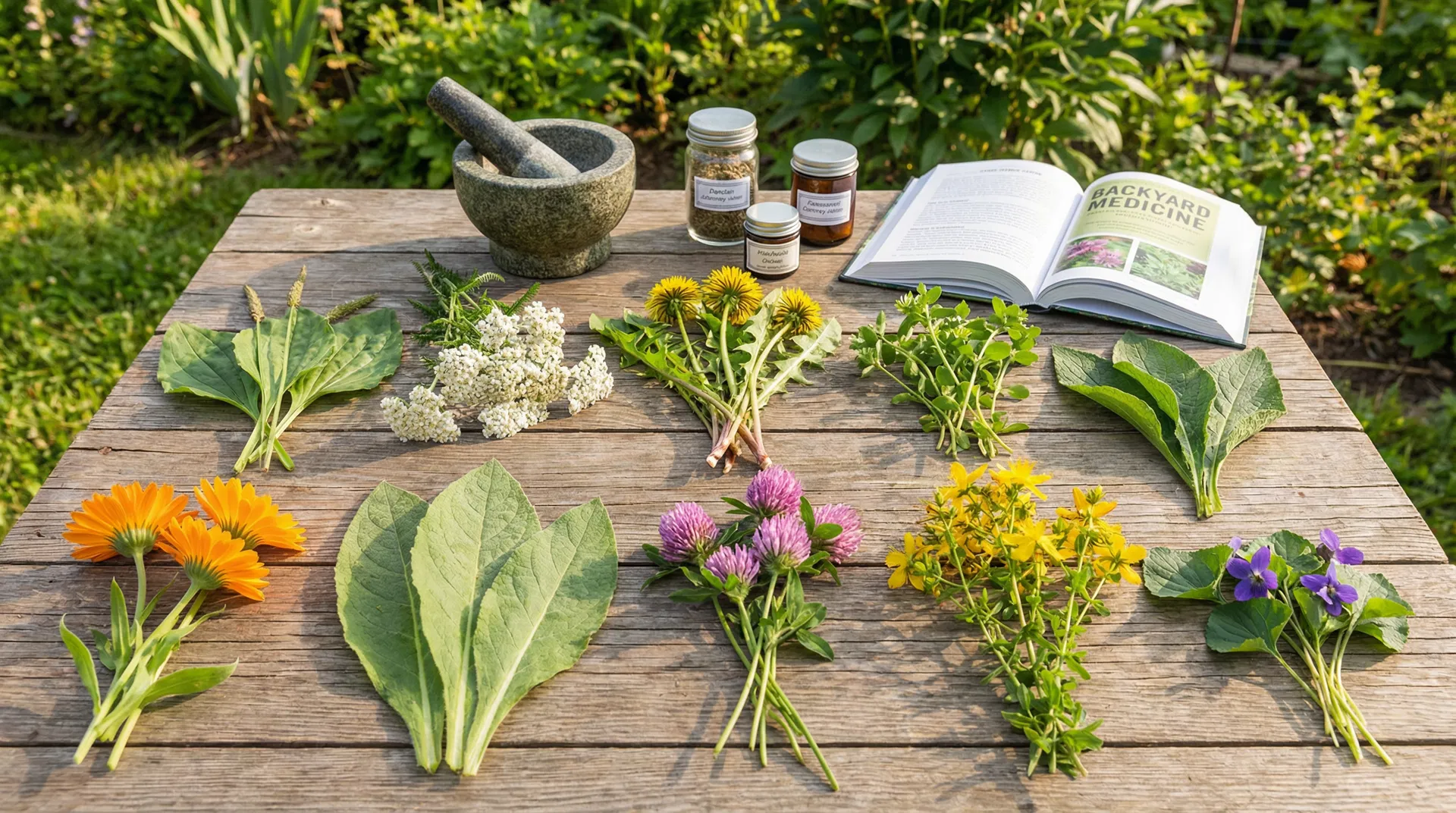
**The pharmacy is closed, and you need first aid NOW.** Ten common plants growing in your yard right now can treat minor injuries, burns, and ailments. Your ancestors survived for millennia using these exact plants. They're free, effective, and growing within 50 feet of your door.
Natural First Aid: 10 Common Medicinal Plants in Your Backyard
When a minor injury occurs and you don't have a first aid kit handy, nature often provides a solution. Many common backyard "weeds" have powerful medicinal properties that have been used for centuries. This guide will help you identify 10 of the most common and useful medicinal plants you can find right outside your door.
Disclaimer: This guide is for informational purposes only. Always be 100% certain of a plant's identification before using it. If you have a serious medical condition, consult a healthcare professional.
1. Plantain (Plantago major)

Identification: Look for low-growing rosettes of oval leaves with prominent parallel veins. In summer, a leafless stalk with a dense flower spike grows from the center.
Medicinal Uses:
- Wound Healing: Plantain is famous for its ability to draw out splinters, thorns, and insect venom. A chewed-up leaf (a poultice) applied to a bee sting or mosquito bite can provide immediate relief from pain and swelling. [1]
- Minor Cuts and Scrapes: The leaves have antibacterial and anti-inflammatory properties, making them an excellent natural bandage.
2. Dandelion (Taraxacum officinale)

Identification: Dandelions are easily recognized by their bright yellow flowers, which turn into fluffy white seed heads. The leaves are long and deeply toothed, growing in a rosette from a central taproot.
Medicinal Uses:
- Diuretic: Dandelion leaves are a natural diuretic, helping to flush excess water from the body. [2]
- Digestive Aid: The root can be used to make a bitter tea that stimulates digestion.
- Nutrient-Rich: The entire plant is edible and packed with vitamins and minerals.
3. Yarrow (Achillea millefolium)

Identification: Yarrow has feathery, fern-like leaves and clusters of small, white or pinkish flowers. It has a distinct, strong aroma.
Medicinal Uses:
- Stops Bleeding: Yarrow is also known as "nosebleed plant" for its ability to stop bleeding. A fresh leaf can be crushed and applied to a minor cut to help clot the blood. [3]
- Fever Reducer: A tea made from the flowers can help induce sweating and break a fever.
4. Chickweed (Stellaria media)

Identification: Chickweed is a low-growing plant with small, oval leaves that grow in opposite pairs. It has tiny, white, star-shaped flowers. A key identifying feature is a single line of fine hairs running up one side of the stem.
Medicinal Uses:
- Skin Soother: A poultice of chickweed can soothe itchy skin, rashes, and insect bites. [4]
- Minor Burns: Its cooling properties make it useful for minor burns and sunburn.
5. Red Clover (Trifolium pratense)

Identification: Red clover is easily identified by its three-lobed leaves (often with a pale chevron pattern) and its distinctive pinkish-purple flower heads.
Medicinal Uses:
- Cough and Cold: A tea made from the flowers can help with coughs and colds. [5]
- Skin Issues: It has been traditionally used to treat skin conditions like eczema and psoriasis.
6. Mullein (Verbascum thapsus)

Identification: Mullein is a tall, striking plant with large, fuzzy, silvery-green leaves. In its second year, it sends up a tall spike of yellow flowers.
Medicinal Uses:
- Respiratory Support: Mullein is a well-known remedy for respiratory issues. A tea from the leaves can help with coughs and congestion. [6]
- Earaches: An oil infused with the flowers is a traditional remedy for earaches.
7. Wild Violet (Viola sororia)

Identification: Violets have heart-shaped leaves and small, purple or white flowers. They are a common sight in lawns and shady areas in the spring.
Medicinal Uses:
- Sore Throat: A tea made from the leaves and flowers can soothe a sore throat. [7]
- Skin Care: Violets have a cooling, moistening effect on the skin.
8. Purslane (Portulaca oleracea)

Identification: Purslane is a low-growing succulent with reddish stems and small, paddle-shaped leaves. It often grows in cracks in the sidewalk and other dry, sunny spots.
Medicinal Uses:
- Omega-3s: Purslane is one of the richest plant sources of omega-3 fatty acids. [8]
- Edible: The entire plant is edible and has a slightly sour, salty taste. It can be a great addition to a survival salad.
9. Lamb's Quarters (Chenopodium album)

Identification: Lamb's quarters is an upright weed with diamond-shaped leaves that are covered in a fine white powder, especially on the undersides. It looks like it has been dusted with flour.
Medicinal Uses:
- Nutrient-Dense: Like its relative, spinach, lamb's quarters is incredibly nutritious. It's packed with vitamins A and C, as well as calcium and iron. [9]
- Edible: The leaves and young stems are delicious when cooked like spinach.
10. Wild Mint (Mentha arvensis)

Identification: Wild mint has square stems and toothed leaves that grow in opposite pairs. The easiest way to identify it is by its strong, characteristic minty smell when the leaves are crushed.
Medicinal Uses:
- Digestive Aid: A tea made from the leaves can help with indigestion, gas, and nausea. [10]
- Headaches: The cooling properties of mint can help relieve a tension headache.
References
[1] Wood, Matthew. The Earthwise Herbal: A Complete Guide to Old World Medicinal Plants. North Atlantic Books, 2008. [2] Grieves, Maud. A Modern Herbal. Dover Publications, 1971. [3] Hoffmann, David. Medical Herbalism: The Science and Practice of Herbal Medicine. Healing Arts Press, 2003. [4] Tilford, Gregory L. Edible and Medicinal Plants of the West. Mountain Press Publishing, 1997. [5] National Center for Complementary and Integrative Health. "Red Clover." Accessed December 17, 2025. https://www.nccih.nih.gov/health/red-clover [6] American Botanical Council. "Mullein Leaf & Flower." Accessed December 17, 2025. https://www.herbalgram.org/resources/herbalgram/issues/100/table-of-contents/hg100-feat-mullein/ [7] Foster, Steven, and James A. Duke. A Field Guide to Medicinal Plants and Herbs of Eastern and Central North America. Houghton Mifflin Harcourt, 2014. [8] Simopoulos, Artemis P. "Omega-3 fatty acids in wild plants, nuts and seeds." Asia Pacific journal of clinical nutrition 11.s6 (2002): S163-S173. [9] Duke, James A. Handbook of Edible Weeds. CRC press, 2000. [10] McIntyre, Anne. The Complete Herbal Tutor. Octopus Publishing Group, 2010.
Thomas331
Feb 2, 2026, 05:38 PM
Decent read. A lot more to see but a good starting point. Thanks.
Related Articles
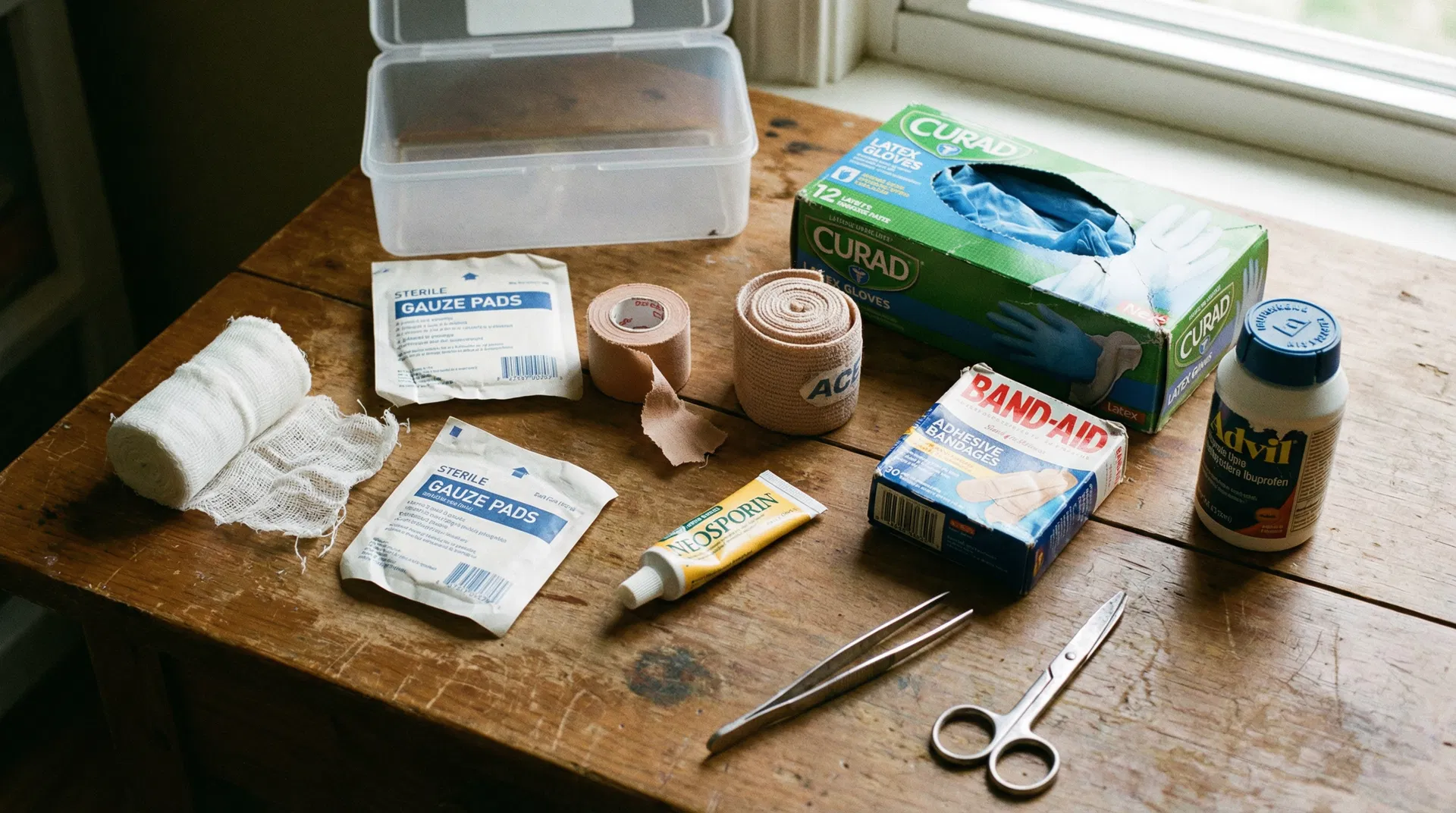
Most household first aid kits are useless in real emergencies. Here's how to build a genuinely life-saving first aid kit for $20 that prioritizes what actually matters: stopping bleeding, preventing infection, and stabilizing injuries.
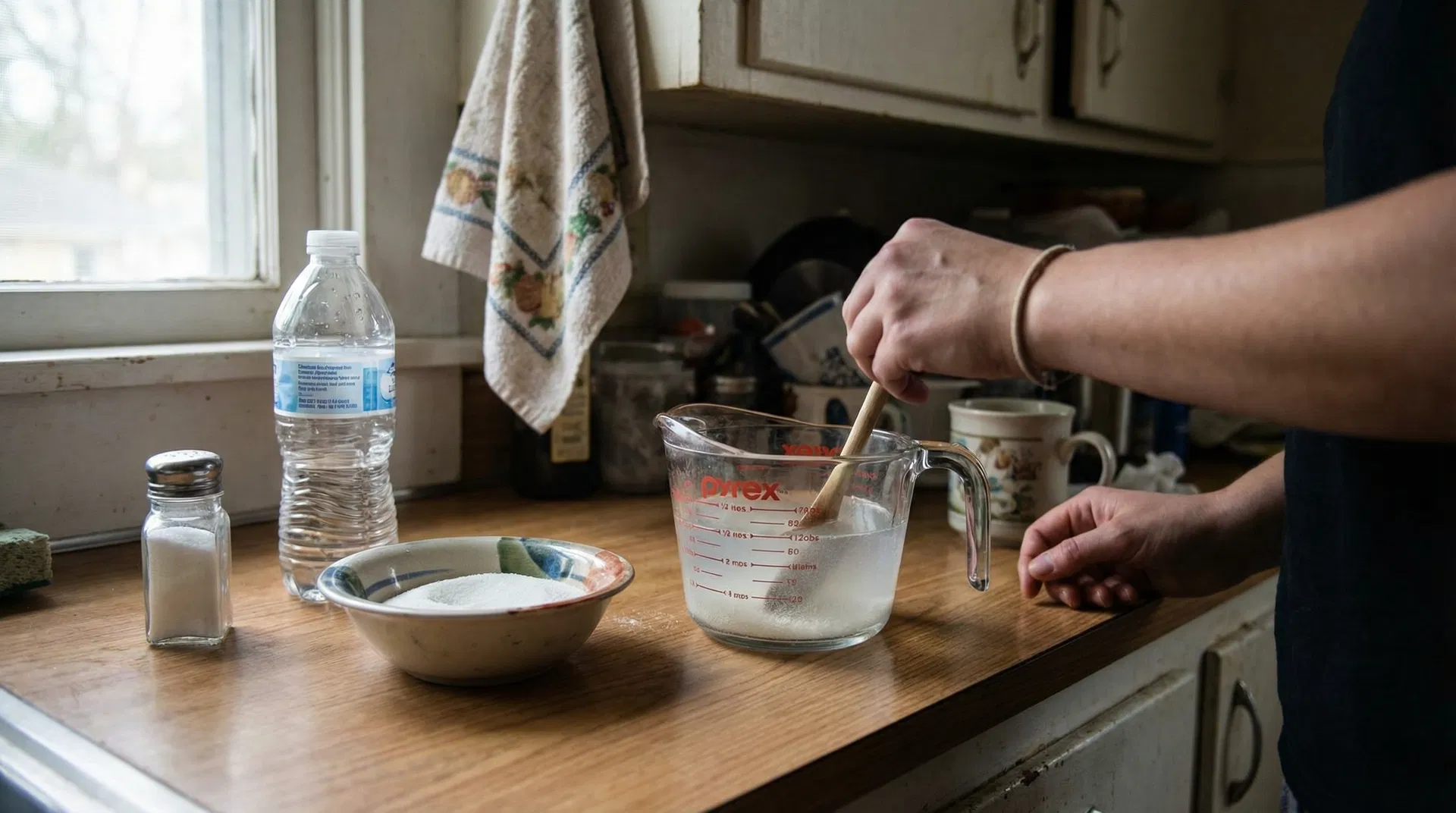
Contaminated water causes more deaths worldwide than war. When medical care isn't available, knowing how to recognize and treat waterborne illness can mean the difference between recovery and a life-threatening crisis.
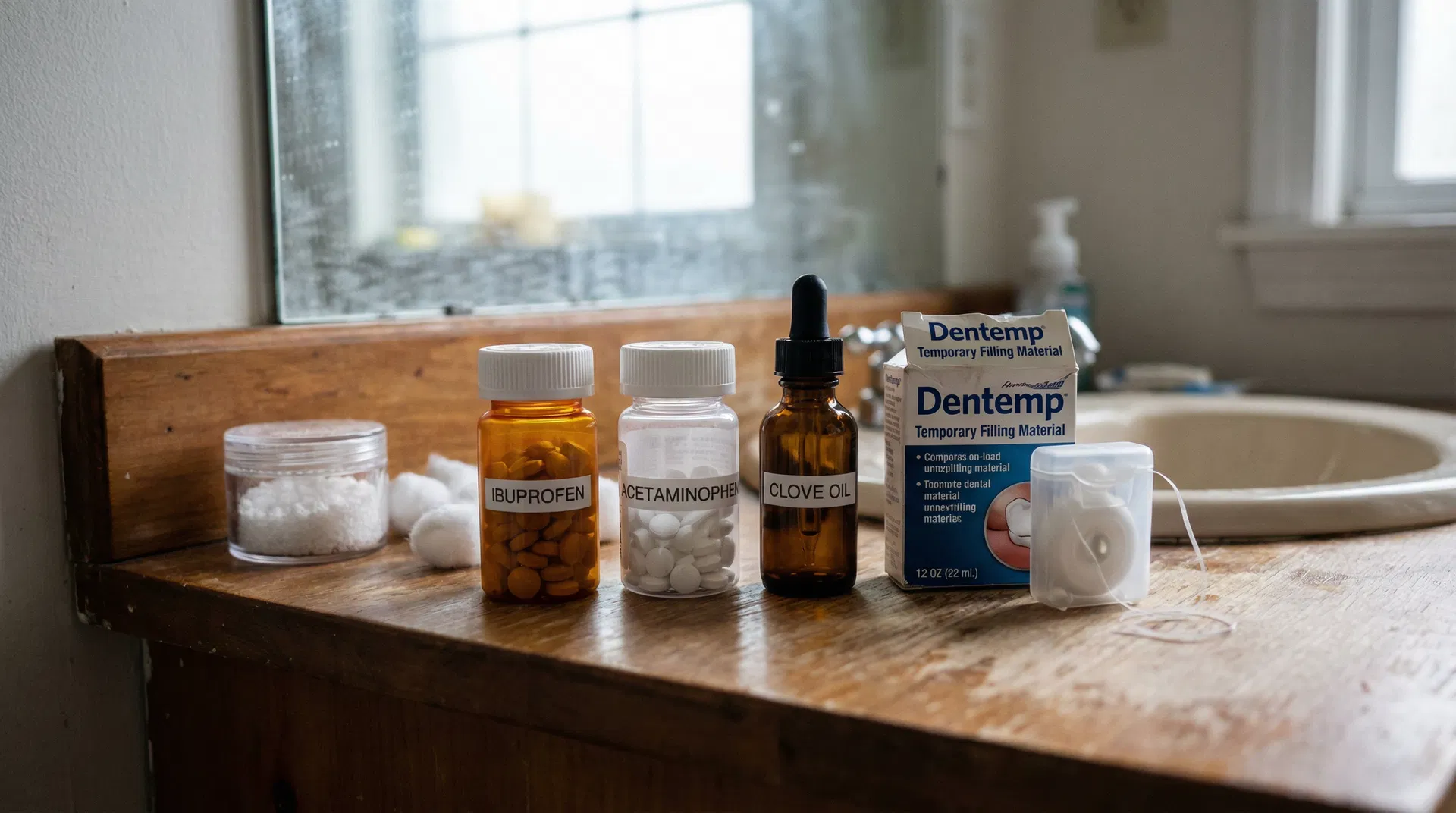
Dental pain is one of the most excruciating experiences the human body can produce. Here's how to manage tooth emergencies when professional help isn't available, and how to tell when you're facing a true life-threatening situation.