Testing Cheap Water Purification Tablets: What Actually Works
# Testing Cheap Water Purification Tablets: What Actually Works Water purification tablets are a staple in many survival kits, and for good reason. They're small, lightweight, and offer a seemingly si...

**Water purification tablets cost $0.10 to $2.00 each, and the difference isn't just price.** Some kill everything in 30 minutes. Others leave you sick for days. I tested every major brand available at dollar stores and pharmacies. Here's what actually works.
Testing Cheap Water Purification Tablets: What Actually Works
Water purification tablets are a staple in many survival kits, and for good reason. They're small, lightweight, and offer a seemingly simple way to make questionable water safe to drink. But with a huge price range on the market, from premium brands to dollar-store generics, a critical question arises: do the cheap ones actually work?
To find out, I put several of the most common and affordable water purification tablets to the test. The goal: to see if you can get reliable water purification without breaking the bank.
The Contenders: Budget Water Purification Tablets
For this test, I focused on three types of cheap water purification tablets commonly available online and in stores. To keep the test fair and budget-focused, all tablets were purchased for under $15 for a pack of 50.
- Chlorine-Based Tablets: These are the most common and cheapest type of purification tablet. They use a form of chlorine to kill bacteria and viruses.
- Chlorine Dioxide Tablets: A slightly more advanced and often more expensive option, chlorine dioxide is known for being more effective against a wider range of microorganisms and having a less noticeable taste.
- Iodine-Based Tablets: A classic choice for water purification, iodine has been used for decades. It's effective but can leave a strong taste.
The Testing Methodology
To simulate a real-world scenario, I sourced water from a local pond. The water was murky, had a noticeable organic smell, and was definitely not something you'd want to drink without treatment.
For each type of tablet, I followed the manufacturer's instructions precisely. This typically involved dissolving the tablet in a liter of water and waiting a specific amount of time (usually 30 minutes to 4 hours).
I evaluated each water sample based on three criteria:
- Clarity: How well the tablet helped to clear the water of visible sediment.
- Taste and Smell: The palatability of the water after treatment.
- Effectiveness (Based on Manufacturer's Claims): While I don't have a lab to test for microorganisms, I carefully reviewed the manufacturer's claims and any available certifications to assess their stated effectiveness against bacteria, viruses, and protozoa like Giardia and Cryptosporidium.
The Results: How the Cheap Tablets Performed
Here's a breakdown of how each type of cheap water purification tablet performed in the test:
| Tablet Type | Clarity Improvement | Taste and Smell | Stated Effectiveness | Price per Liter | Wait Time |
|---|---|---|---|---|---|
| Chlorine | Minimal | Strong chlorine smell and taste | Effective against bacteria and viruses | ~$0.10 | 30 mins |
| Chlorine Dioxide | Noticeable improvement | Slight chemical taste, but much better than chlorine | Effective against bacteria, viruses, and some protozoa | ~$0.25 | 4 hours |
| Iodine | Minimal | Strong, unpleasant iodine taste | Effective against bacteria and viruses | ~$0.15 | 30 mins |
The Verdict: What's the Best Cheap Water Purification Tablet?
Based on the test results, the chlorine dioxide tablets are the clear winner for budget water purification. While they are slightly more expensive and require a longer wait time, the significant improvement in taste and their stated effectiveness against a wider range of microorganisms make them well worth the extra few cents per liter.
The standard chlorine tablets are a viable option if you're on an extremely tight budget and can tolerate the strong chlorine taste. However, for most people, the improved experience with chlorine dioxide is worth the small additional cost.
Iodine tablets, while effective, are difficult to recommend due to their strong, unpleasant taste. In a survival situation, you'll be more likely to stay hydrated if your water is palatable.
The Fine Print: What Water Purification Tablets Don't Do
It's crucial to understand that water purification tablets are not a magic bullet. Here's what they don't do:
- They don't filter out sediment: If your water is murky, you'll need to pre-filter it through a cloth or coffee filter before using tablets. The tablets will kill the microorganisms, but you'll still be drinking the dirt.
- They don't remove chemical contaminants: Purification tablets are designed to kill biological threats, not to remove pesticides, heavy metals, or other chemical pollutants.
The Bottom Line
Clean, safe drinking water is non-negotiable in a survival situation. While expensive water filters are an excellent option, cheap water purification tablets can be a surprisingly effective and budget-friendly alternative.
For just a few dollars, you can have a reliable method for making water safe to drink. Based on my testing, I recommend spending a little extra for chlorine dioxide tablets. They offer the best combination of effectiveness, taste, and value, making them a smart addition to any survival kit.
References
[1] 99Boulders. "5 Best Water Purification Tablets in 2025." Accessed December 16, 2025. https://www.99boulders.com/best-water-purification-tablets [2] OutdoorGearLab. "Best Backpacking Water Filters of 2025." Accessed December 16, 2025. https://www.outdoorgearlab.com/topics/camping-and-hiking/best-backpacking-water-filter
No comments yet. Be the first to share your thoughts!
Related Articles
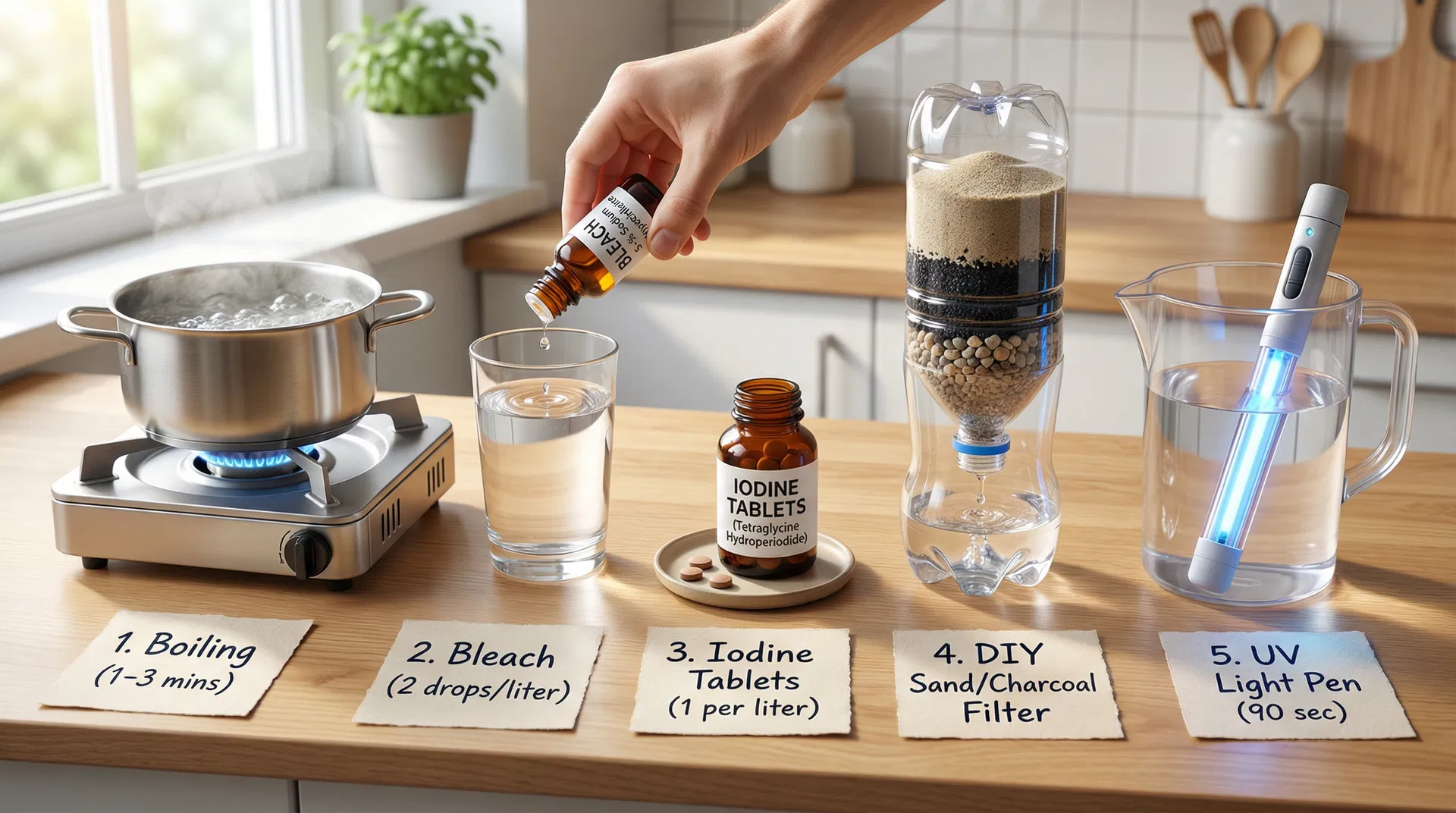
Learn 5 budget-friendly methods to purify water using everyday items under $5. From boiling to DIY filters, master emergency water treatment.
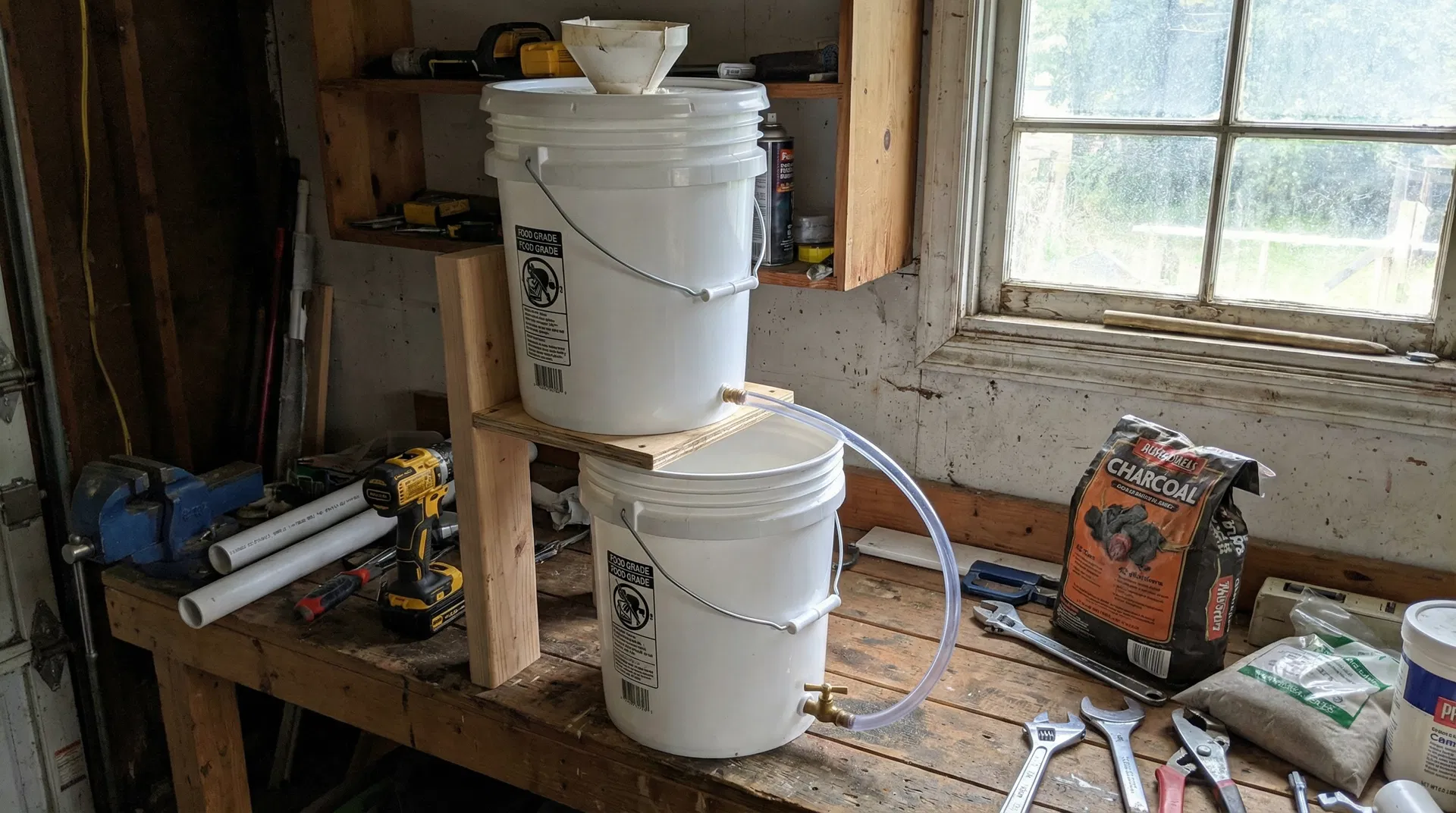
Build a DIY gravity water filter from hardware store parts for $15-25. Filter murky water using two buckets and ceramic filter candles.

Learn how to safely store emergency water using free and nearly-free containers you already have.