Supply Chain Fragility: The 3-Day Grocery Store Reality
Grocery stores carry 3 days of inventory. During COVID-19, panic buying reduced that to less than 1 day. If trucks stopped running, stores would be empty within 4-5 days. Understanding just-in-time inventory is essential for realistic food storage planning.

**Your grocery store has 3 days of food.** That's it. During COVID-19 panic buying, that dropped to less than 24 hours. Modern "just-in-time" logistics mean stores carry almost zero backup inventory. If trucks stop, shelves empty in 4-5 days.
Supply Chain Fragility: The 3-Day Grocery Store Reality
Estimated read time: 10 minutes | Difficulty: Beginner | Total cost: $50-200
This article discusses potential emergency scenarios based on historical events and expert analysis. The goal is to help you prepare realistically, not to cause alarm.
Key Takeaways:
- Grocery stores carry only 3 days of inventory under normal demand
- During COVID-19, panic buying reduced that 3-day supply to less than 1 day
- Most urban areas import more than 90% of their food from elsewhere
- If trucks stopped running, stores would be essentially empty within 4-5 days
Walk into any grocery store in America and you'll see abundance. Shelves stocked with thousands of products, produce sections overflowing with fresh fruits and vegetables, meat counters displaying every cut imaginable. The impression is one of inexhaustible supply, a food system so robust that shortages seem impossible.
That impression is dangerously wrong. The modern grocery store operates on a principle called "just-in-time" inventory, which means stores carry only enough stock to meet demand for approximately three days. This system maximizes efficiency and minimizes costs under normal conditions. But when conditions aren't normal, when trucks stop running, when panic buying begins, or when supply chains are disrupted, those three days of inventory can vanish in hours.
Understanding how fragile our food supply chain really is, and what happens when it breaks down, is essential for realistic emergency preparation. The COVID-19 pandemic gave us a preview of supply chain stress. The lessons from that experience, combined with analysis of the underlying system, reveal uncomfortable truths about food security in modern America.
How Just-In-Time Inventory Actually Works
The grocery industry revolutionized itself over the past few decades by adopting just-in-time (JIT) inventory management. Instead of maintaining large stockrooms filled with weeks of inventory, stores now receive multiple deliveries per week, sometimes multiple deliveries per day, timed to arrive just as shelf stock is depleting.
Why Retailers Love JIT
This system offers significant advantages for retailers:
- Reduced warehouse costs: Space is expensive, especially in urban areas
- Capital efficiency: Inventory sitting in storage ties up money that could be invested elsewhere
- Minimized spoilage: Products with expiration dates risk waste if held too long
- Lower overhead: Reduced costs translate to lower prices and higher profits
For consumers under normal conditions, JIT inventory creates the appearance of abundance. Shelves are always stocked because deliveries arrive constantly. Selection is maximized because space isn't wasted on excess inventory.
The Fatal Flaw
The system works beautifully, until it doesn't. JIT inventory has no buffer, no slack, no margin for error. The entire system depends on:
- Trucks running on schedule
- Distribution centers operating normally
- Consumer demand remaining predictable
When any of these assumptions breaks down, the three-day supply becomes a one-day supply, then a few-hours supply, then empty shelves.
The COVID-19 Supply Chain Stress Test
The COVID-19 pandemic provided a real-world test of supply chain resilience, and the results were sobering. In March 2020, as lockdowns began and panic buying accelerated, grocery stores across the United States experienced shortages of basic items that lasted weeks or even months.
What Actually Happened
The Federal Trade Commission's 2024 report on grocery supply chain disruptions during COVID-19 documented the crisis in detail. Grocery stores and consumers experienced periodic shortages of certain food and household products, along with major price increases.
The shortages weren't caused by lack of food production, farms were still producing, manufacturers were still operating. The breakdown occurred in the middle of the supply chain: transportation, distribution, and the just-in-time inventory system itself.
The Panic Buying Multiplier Effect
When consumers who normally shop once a week suddenly shop every day and buy double or triple their usual quantities, demand doesn't just increase, it explodes.
The Math: A store with 3 days of inventory under normal demand has less than 1 day of inventory when demand triples.
The result was empty shelves, purchase limits, and frustrated consumers.
Single Points of Failure Revealed
Meat processing plants are highly concentrated, a small number of large facilities process the majority of the nation's meat supply. When COVID-19 outbreaks forced plant closures, meat shortages rippled across the country despite abundant livestock.
Distribution centers: Disruptions at major distribution centers affected hundreds of stores simultaneously.
Trucking: The grocery industry depends on a steady flow of truck deliveries, but trucking faces its own challenges:
- Driver shortages
- Fuel availability
- Drivers becoming ill
- Demand pattern changes leaving trucks in wrong locations
- Panic buying of fuel leaving truck stops without diesel
Single Points of Failure in the Food System
The modern food supply chain is optimized for efficiency, not resilience. This optimization creates numerous single points of failure, places where a disruption can cascade through the entire system.
Regional Food Production vs. Consumption
Most urban areas import more than 90 percent of their food from elsewhere. Cities are food deserts in the literal sense, they consume far more than they produce locally. This makes urban populations entirely dependent on continuous transportation of food from distant production areas.
Distribution Center Concentration
A single facility often serves hundreds of stores across multiple states. When a distribution center experiences problems, whether from natural disaster, labor disruption, equipment failure, or any other cause, the impact affects vast areas simultaneously.
There is no backup distribution center waiting to take over.
Transportation Infrastructure
The supply chain's arteries are vulnerable to blockage:
- A major bridge closure
- A highway shutdown due to weather
- A fuel shortage
Any of these can instantly disrupt food delivery to entire regions. The system has no significant redundancy, if the primary route is blocked, there often isn't a viable alternative.
Import Dependency
Coffee, chocolate, bananas, and many other common items are imported from specific regions. Disruptions in those regions, political instability, natural disasters, or transportation problems, directly affect U.S. grocery store shelves.
Processing Plant Concentration
In industries like meat packing, a handful of facilities handle the majority of supply. When these facilities experience problems, there are no alternatives ready to absorb their production volume. The result is immediate, widespread shortages.
What "The Trucks Stopped" Really Means
In preparedness circles, "the trucks stopped" is shorthand for a nightmare scenario: a disruption so severe that the trucking industry can't function. This could result from multiple causes: a fuel shortage, an electromagnetic pulse, a cyber attack on logistics systems, or a cascading infrastructure failure.
The Timeline
Day 1: Grocery stores continue operating normally, selling through existing inventory
Day 2: Shelves begin showing gaps as high-demand items sell out
Day 3: Most stores experiencing significant shortages
Day 4-5: Stores essentially empty
Cascade Effects
Gas stations receive fuel deliveries every few days. Without deliveries, they run dry within a week, faster if panic buying occurs. Once gas stations are empty, even people with vehicles can't travel to seek supplies elsewhere.
Pharmacies face the same just-in-time constraints. Prescription medications are delivered regularly in quantities sufficient for a few days of demand. Extended supply chain disruptions mean people can't refill prescriptions, creating medical emergencies.
Secondary effects cascade rapidly:
- Restaurants close within days
- Hospitals struggle to provide care
- Emergency services become limited to immediate areas
- Businesses of all types begin shutting down
Social Breakdown
Social cohesion faces severe stress as shortages intensify:
- People who were unprepared become desperate
- Theft increases
- Conflicts over remaining supplies escalate
- Government distribution points become chaotic and dangerous
Regional Differences in Vulnerability
Not all areas face equal supply chain vulnerability. Understanding your region's specific risks helps you prepare appropriately.
Urban Areas
Highest vulnerability:
- Complete dependence on imported food
- Population density means millions affected simultaneously
- Limited space for personal [food storage](/articles/30-day-food-storage-under-50-dollars)
- Emergency response quickly overwhelmed
Advantages:
- More distribution centers
- More stores
- More frequent deliveries under normal conditions
Suburban Areas
Moderate vulnerability:
- Still depend heavily on grocery stores
- Lower population density = less competition for supplies
- More space for food storage
- Some local food production (gardens, farmers' markets)
Rural Areas
Mixed vulnerability:
Advantages:
- More food storage space
- Local food production
- Culture of self-sufficiency
Disadvantages:
- Smaller stores
- Less frequent deliveries
- Limited alternative shopping options (next store might be 50 miles away)
Geographic Factors
Coastal vs. Inland:
- Coastal: Access to ports for imports, but vulnerable to hurricanes/flooding
- Inland: More dependent on trucking, less vulnerable to certain disasters
Climate Zones:
- Northern: Heating fuel dependency in winter
- Southern: Cooling needs in summer
- Temperate: Longer growing seasons for local production
Your Food Security Action Plan
Immediate Actions (Do Today)
1. Calculate your current food supply honestly
How many days could you feed your household using only what's currently in your home, without any shopping?
Count everything:
- Pantry items
- Refrigerator contents
- Freezer inventory
Most people discover they have less than a week's supply, and that's assuming they have power for refrigeration.
2. Identify your household's critical food needs
- What foods do you absolutely require for health reasons?
- What do your children refuse to eat?
- What dietary restrictions or allergies must you accommodate?
Understanding these constraints helps you build a realistic food storage plan.
This Week
1. Begin building a two-week food supply
Don't buy "survival food" that your family won't touch. Instead, gradually increase your stock of regular groceries that have long shelf lives:
- Rice and pasta
- Canned goods
- Dried beans
- Peanut butter
- Cooking oil
Buy a few extra items each shopping trip rather than trying to buy everything at once.
2. Develop a rotation system to prevent waste
- Put new purchases behind older items (use oldest first)
- Mark purchase dates on items without clear expiration dates
- Plan meals that use stored food regularly
- Replace what you consume
This keeps your storage fresh and ensures you know how to prepare the foods you've stored.
This Month
1. Expand toward a 30-day supply
This is the point where food storage becomes genuinely useful for extended supply chain disruptions.
Focus on staples that provide calories and nutrition:
- Grains
- Proteins
- Fats
- Vitamin sources
Don't forget items needed for food preparation:
- Cooking oil
- Salt
- Sugar
- Spices
- Baking powder
2. Learn to cook from basic ingredients
Prepared foods and convenience items are the first to disappear during shortages. Knowing how to cook from scratch using basic staples gives you flexibility and extends your food supply.
Practice making:
- Bread
- Cooked dried beans
- Rice dishes
- Meals from canned goods
3. Build relationships with local food sources
- Visit farmers' markets
- Join a CSA (Community Supported Agriculture) program
- Connect with local producers
These relationships provide alternatives to grocery stores and help you understand what foods are actually produced in your region.
The Bottom Line: Grocery Stores Can't Sustain You
The modern grocery store is a marvel of efficiency and a house of cards. Under normal conditions, just-in-time inventory provides abundance and convenience. Under stress, it provides empty shelves and shortages within days.
This doesn't mean you should panic or hoard supplies. It means you should build a realistic food storage buffer that doesn't depend on continuous grocery store access. A 30-day supply of food you actually eat, properly rotated and regularly used, provides genuine security without waste or excessive cost.
The next supply chain disruption is not a question of if, but when. COVID-19 was a stress test, not a worst-case scenario. A more severe disruption, whether from natural disaster, infrastructure failure, or other causes, will create more severe shortages lasting longer than the 2020 experience.
Your food security is your responsibility. Grocery stores will not sustain you during extended emergencies. Government emergency food distribution is overwhelmed quickly and reaches only a fraction of those in need. The only reliable food security comes from your own preparation.
What's Next?
This is the second article in our Reality Check series. Next, we'll examine government response limitations in disasters and why "help is on the way" often means "you're on your own for two weeks."
Related Articles:
- 30-Day Food Storage for Under $50: Complete Shopping List
- Emergency Cooking: 6 Ways to Cook When the Power's Out
- Growing Sprouts: Fresh Food in 3 Days with Zero Garden Space
Sources & Further Reading
[1] FTC Releases Report on Grocery Supply Chain Disruptions - Federal Trade Commission. https://www.ftc.gov/news-events/news/press-releases/2024/03/ftc-releases-report-grocery-supply-chain-disruptions
[2] Food supply chains during the COVID-19 pandemic - PMC. https://pmc.ncbi.nlm.nih.gov/articles/PMC7264576/
[3] Fear and the Three-Day Food Supply - Toby Hemenway. https://tobyhemenway.com/419-fear-and-the-three-day-food-supply-3/
[4] Welcome to the permacrisis: How companies can build supply chain resilience - FI Global. https://insights.figlobal.com/food-supply-chain/welcome-to-the-permacrisis-how-companies-can-build-supply-chain-resilience
Bryan38
Feb 3, 2026, 01:13 AM
Yup. Been there seen that. Be prepared or get left behind.
Related Articles

FEMA's own goal is 2-4 days response time, not 72 hours. Hurricane Katrina took days. Hurricane Maria left 3.7 million without power for nearly a year. Understanding real government response timelines is critical for adequate preparation.

No electricity means no water—municipal systems depend on electric pumps. Flint, Jackson MS, and the Texas freeze affected millions. 2.1 trillion gallons lost annually to aging pipe breaks. Water storage is non-negotiable.
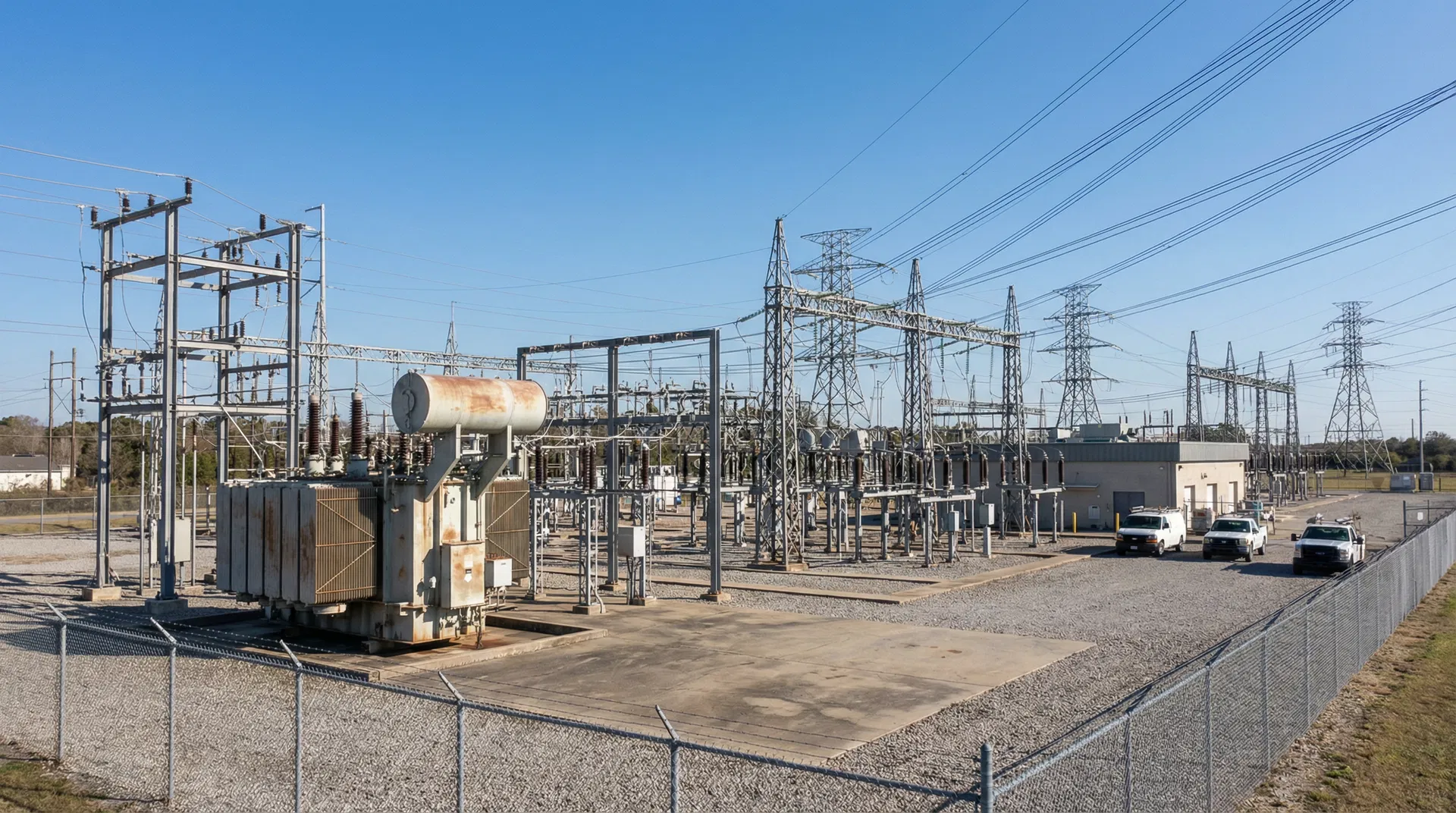
Texas was 4 minutes from a grid collapse that would have taken weeks to restore. The 2003 blackout left NYC without power for 2 days. When the grid fails, the official "72-hour" advice becomes dangerously inadequate.