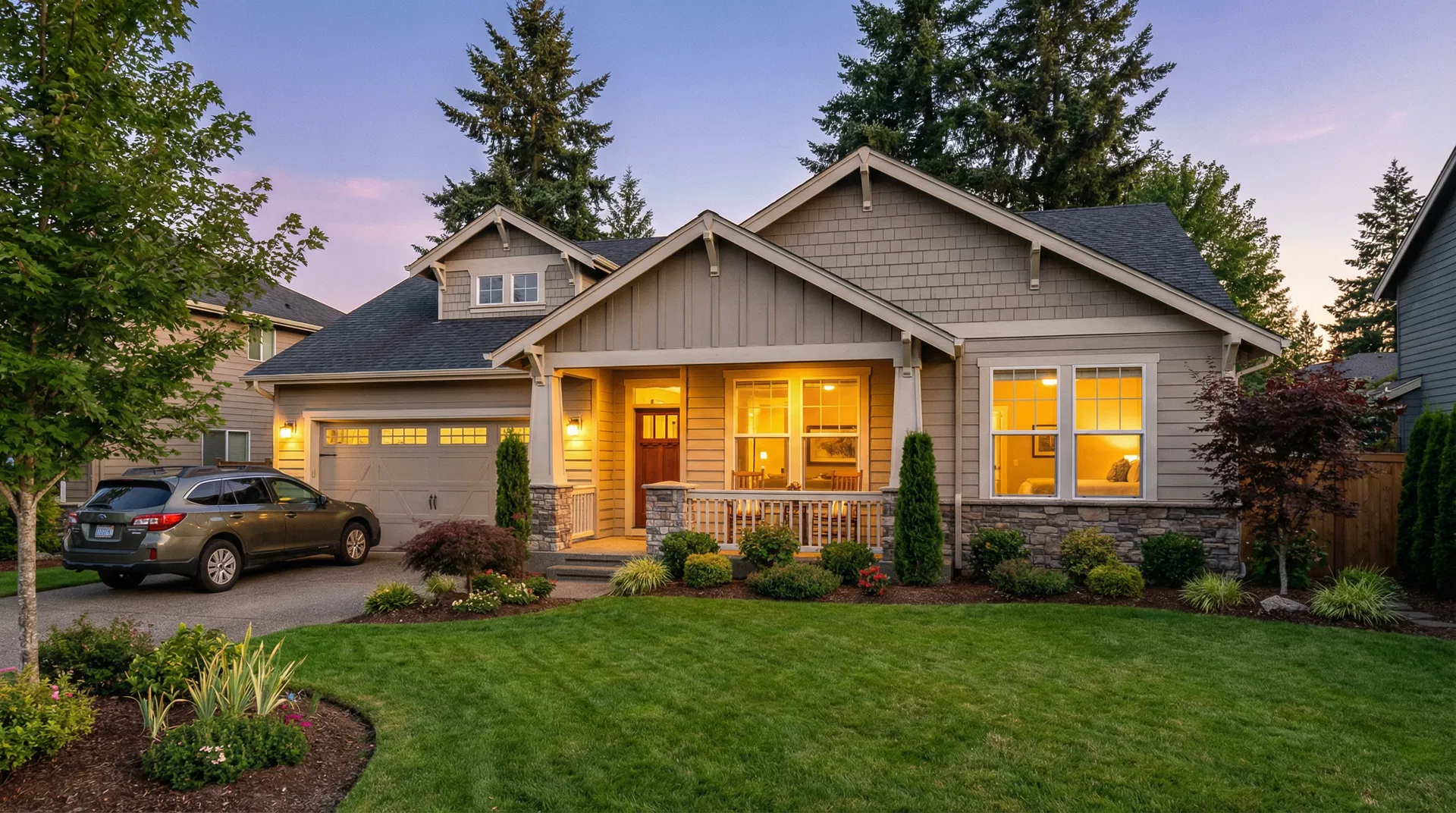
**34% of burglars enter through the front door, and most vacation break-ins succeed because of obvious mistakes.** An empty home screams "rob me" if you don't know the tells. These free and low-cost strategies make your house look occupied while you're gone.
How to Secure Your Home While on Vacation (Without Spending a Fortune)
Estimated read time: 7 minutes | Difficulty: Beginner | Total cost: $0-15
Your vacation starts the moment you lock your front door, but for burglars, that's when opportunity begins. Empty homes are prime targets, and experienced criminals know exactly what to look for: piled-up mail, dark windows at night, no cars in the driveway, and overgrown lawns. These signals scream "nobody's home," and they're visible from the street.
The security industry wants you to believe you need expensive monitoring systems and smart home technology to protect your house while you're away. The reality is simpler and cheaper. Most vacation break-ins succeed because of obvious mistakes that cost nothing to prevent. Burglars aren't hacking your security system, they're walking up to your dark house at 2 PM on a Tuesday, checking if the back door is unlocked, and walking out with your TV 10 minutes later.
I've secured homes in high-risk environments, and the fundamentals never change: eliminate signals that you're gone, create the illusion of occupancy, and add friction to entry points. This guide covers everything you need to do before leaving, costs almost nothing, and works whether you're gone for a weekend or a month.
Why Vacation Homes Are Targets
Burglars specifically watch for signs of travel. According to FBI data, homes are 300% more likely to be burglarized when obviously vacant. The reasons are straightforward: no witnesses, more time to work, and certainty that nobody will interrupt them.
The most common mistakes homeowners make:
- Announcing travel plans on social media (burglars monitor this)
- Stopping mail/newspapers without arranging pickup (visible pile-up)
- Leaving the house completely dark every night
- Not arranging for lawn care (overgrown grass = vacancy)
- Forgetting to set timers on lights
- Leaving valuable items visible through windows
A 2015 study of convicted burglars found that 78% said they would specifically target homes showing obvious signs of vacancy, and 65% said they monitored social media to identify targets. Your vacation security isn't about sophisticated technology, it's about eliminating the obvious signals that you're gone.
Before You Leave: The Essential Checklist
Stop Mail and Packages (But Arrange Collection)
The problem: Piled-up mail and packages sitting on your porch for days are giant "rob me" signs.
The solution: Use USPS's free mail hold service (online at usps.com or at your local post office). For packages, either schedule deliveries to arrive after you return, or have a trusted neighbor collect them daily.
Pro tip: If you're gone more than a week, have a neighbor place one piece of junk mail in your mailbox mid-trip. An empty mailbox for 10 days is almost as suspicious as a full one.
Set Timers on Lights (Random Patterns, Not Predictable)
The problem: A house that's dark every night is obviously empty. But lights on the same schedule every night are equally suspicious, nobody lives that predictably.
The solution: Use cheap plug-in timers ($3-8 at hardware stores) on 2-3 lamps in different rooms. Set them to turn on/off at varying times to simulate real occupancy. Living room light on 6-10 PM, bedroom light on 9 PM-11 PM, kitchen light on 6-7 AM.
Pro tip: Put a timer on a TV or radio, the flickering light and sound create a stronger illusion of occupancy than static lamps. You can buy "fake TV" simulators for $15 that create realistic TV light patterns without actually running a TV.
What not to do: Don't leave all lights on 24/7. This screams "I'm trying to fake occupancy" and wastes energy. Vary the pattern.
Unplug Electronics (Fire Risk + Energy Savings)
The problem: Electrical fires can start from devices left plugged in, especially older electronics or anything with lithium batteries.
The solution: Unplug everything except essentials (refrigerator, security system, timers). This includes TVs, computers, phone chargers, coffee makers, toasters, and space heaters.
Pro tip: Unplug your garage door opener if you're gone more than a week. This prevents someone from using a code grabber or universal remote to open it.
Lock ALL Windows (Including Second Floor)
The problem: Most people lock ground-floor windows but forget upper floors. Burglars know this and will use ladders, trees, or balconies to access unlocked second-floor windows.
The solution: Walk through your entire house and physically test every single window. Lock them and add dowel rods or security bars to sliding windows.
Pro tip: Close (but don't lock) one window in a back room and place a small piece of tape across the seam. If the tape is broken when you return, someone opened that window while you were gone.
Secure Garage Door
The problem: Garage doors are one of the easiest entry points. Many have emergency releases that can be triggered from outside, and the door from garage to house is often left unlocked.
The solution:
- Lock the door between garage and house (this is your actual entry point)
- Unplug the garage door opener or use a zip-tie to disable the emergency release
- If you have windows in the garage door, cover them so nobody can see if your car is gone
Pro tip: Place a C-clamp on the garage door track just above one of the rollers. This physically prevents the door from opening even if someone defeats the lock.
Hide Valuables in Unconventional Spots
The problem: Burglars know the common hiding spots, bedroom drawers, closet shelves, under mattresses. They check these first.
The solution: Move valuables to unconventional locations. Inside a box of cereal in the pantry. In a freezer bag in the freezer. Inside a board game box. In a paint can in the garage.
Pro tip: Don't hide everything in one spot. Spread valuables across multiple unconventional locations. If a burglar finds one stash, they won't find the others.
What not to do: Don't use a safe unless it's bolted to the floor or wall. Small safes are the first thing burglars grab, they'll open it later at their leisure.
Don't Announce Your Trip on Social Media
The problem: Burglars monitor Facebook, Instagram, and Twitter for vacation announcements. Posting "Heading to Hawaii for two weeks!" is an invitation.
The solution: Post vacation photos after you return, not during the trip. If you must post during travel, use privacy settings to limit who can see your posts.
Pro tip: Search your own name and address online. If your home address is publicly linked to your social media profiles, burglars can easily connect your vacation posts to your empty house.
Budget Tech Solutions ($8-$30)
Smart Plugs for Lamps ($8-15)
What they are: WiFi-enabled plugs that let you control lamps remotely via smartphone app.
Why they're worth it: You can turn lights on/off from anywhere, creating random patterns that look like real occupancy. Some apps let you set "vacation mode" that randomizes timing automatically.
Best use: Put one in your living room and one in your bedroom. Turn them on/off at realistic times while you're away.
Fake TV Simulator ($12-18)
What it is: A small LED device that mimics the flickering light of a TV screen.
Why it works: Burglars avoid homes where people are clearly awake and active. A TV's changing light patterns are one of the strongest signals of occupancy.
Best use: Place it in your living room facing the front window. Set it on a timer to run 7 PM-11 PM.
Door/Window Sensors with Phone Alerts ($20-30 for basic kit)
What they are: Battery-powered sensors that send alerts to your phone if a door or window is opened.
Why they're worth it: You'll know immediately if someone breaks in, allowing you to call police while they're still in your house (increasing chance of arrest).
Best use: Place on main entry doors and ground-floor windows. Check battery levels before leaving.
Free Deterrents (Cost: $0)
Leave a Car in the Driveway
Why it works: An empty driveway signals vacancy. A car in the driveway suggests someone's home.
How to do it: If you're driving to the airport, have a friend or neighbor park in your driveway while you're gone. If you have two cars, leave one behind.
Pro tip: Have your neighbor move the car once or twice during your trip, a car that never moves for two weeks is suspicious.
Ask Neighbor to Vary Trash Can Placement
Why it works: Trash cans that sit in the same spot for two weeks signal that nobody's home to take them in/out for collection.
How to do it: Ask a neighbor to move your trash cans to the curb on collection day, then back to your garage afterward.
Leave Radio on Talk Station
Why it works: Voices create the impression of occupancy better than music. Burglars approaching your house will hear conversation and assume someone's home.
How to do it: Set a radio to a talk/news station and place it near a window or door. Put it on a timer so it's only on during realistic hours (not 3 AM).
Shoes Visible by Door
Why it works: Shoes by the door suggest someone just came home and will be back soon.
How to do it: Leave a pair of shoes visible through your front door window or on your porch.
Trim Bushes Before Leaving
Why it works: Overgrown bushes provide cover for burglars to work on locks or windows unseen.
How to do it: Trim all bushes near doors and windows to below 3 feet before you leave. This eliminates hiding spots and makes your home look maintained.
What NOT to Do
Don't Post Vacation Photos in Real-Time
Why it's dangerous: You're literally announcing that your house is empty and when you'll return.
What to do instead: Post photos after you return. Your friends will still enjoy them, and burglars won't have advance notice.
Don't Leave Spare Key Under Mat (Or Anywhere Outside)
Why it's dangerous: Burglars check all the common spots, under mats, above door frames, in fake rocks, under flower pots.
What to do instead: Give a spare key to a trusted neighbor or family member. If you must hide a key, use a lockbox with a combination code.
Don't Forget to Set Your Alarm
Why it's dangerous: If you have a security system but forget to arm it, you've wasted your investment.
What to do instead: Set a phone reminder to arm your system before leaving. Some systems have "vacation mode" that arms automatically.
Don't Leave Ladder Accessible
Why it's dangerous: A ladder leaning against your garage is an invitation to access second-floor windows.
What to do instead: Store ladders in your locked garage or shed before leaving.
Don't Ignore Landscaping
Why it's dangerous: An overgrown lawn screams "nobody's been here in weeks."
What to do instead: Arrange for lawn care if you'll be gone more than a week. Even just having a neighbor mow once makes a huge difference.
The Complete Pre-Vacation Security Checklist
Print this and check off each item before you leave:
1 Week Before:
- Arrange mail hold with USPS
- Schedule package deliveries for after return
- Ask neighbor to watch house and collect any missed deliveries
- Test all timers and set schedules
- Trim bushes near entry points
- Arrange lawn care if gone more than 7 days
Day Before:
- Lock all windows (including second floor)
- Test that all doors lock properly
- Secure garage door (unplug opener or disable release)
- Move valuables to unconventional hiding spots
- Set timers on lights/TV/radio
- Unplug non-essential electronics
- Take out trash (don't leave full bags sitting)
- Clean out refrigerator (prevent smells/leaks)
Day of Departure:
- Lock door between garage and house
- Set security system to vacation mode
- Turn thermostat to energy-saving setting
- Close all curtains/blinds (but not completely, some visibility is normal)
- Leave car in driveway (or arrange for neighbor to park there)
- Place shoes by front door
- Double-check all doors and windows locked
- Arm security system
When You Return
Don't assume everything is fine just because the door is still locked. Before entering:
- Walk the perimeter and look for signs of tampering (broken windows, pry marks on doors)
- Check that tape/markers you left are undisturbed
- If anything looks wrong, don't enter, call police from outside
- Once inside, check for missing items before touching anything (preserve evidence if needed)
If you were burglarized:
- Don't touch anything, preserve evidence
- Call police immediately
- Take photos before cleaning up
- File insurance claim with documentation
- Review what went wrong and improve security before next trip
The Bottom Line
Securing your home for vacation doesn't require expensive technology, it requires eliminating obvious signals that you're gone. Burglars aren't sophisticated hackers; they're opportunists looking for dark houses, piled-up mail, and no cars in driveways. Every signal you eliminate reduces your risk.
The strategies in this guide cost between $0 and $30 total. Most take less than an hour to implement. Compare that to the average burglary loss of $2,800 (not counting irreplaceable items like family photos or sentimental jewelry), and the return on investment is obvious.
Your vacation should be relaxing, not stressful. Spend one hour before you leave implementing these strategies, and you'll enjoy your trip knowing you've done everything practical to protect your home. The best security system is the one you actually use, and these strategies require no monthly fees, no installation, and no technical expertise.
Take the checklist, work through it before your next trip, and travel with confidence.
What security measures do you use when traveling? Share your tips in the comments, your experience could help fellow readers protect their homes.
No comments yet. Be the first to share your thoughts!
Related Articles

Secure your rental home without drilling holes or violating your lease. Budget-friendly security solutions for apartments.
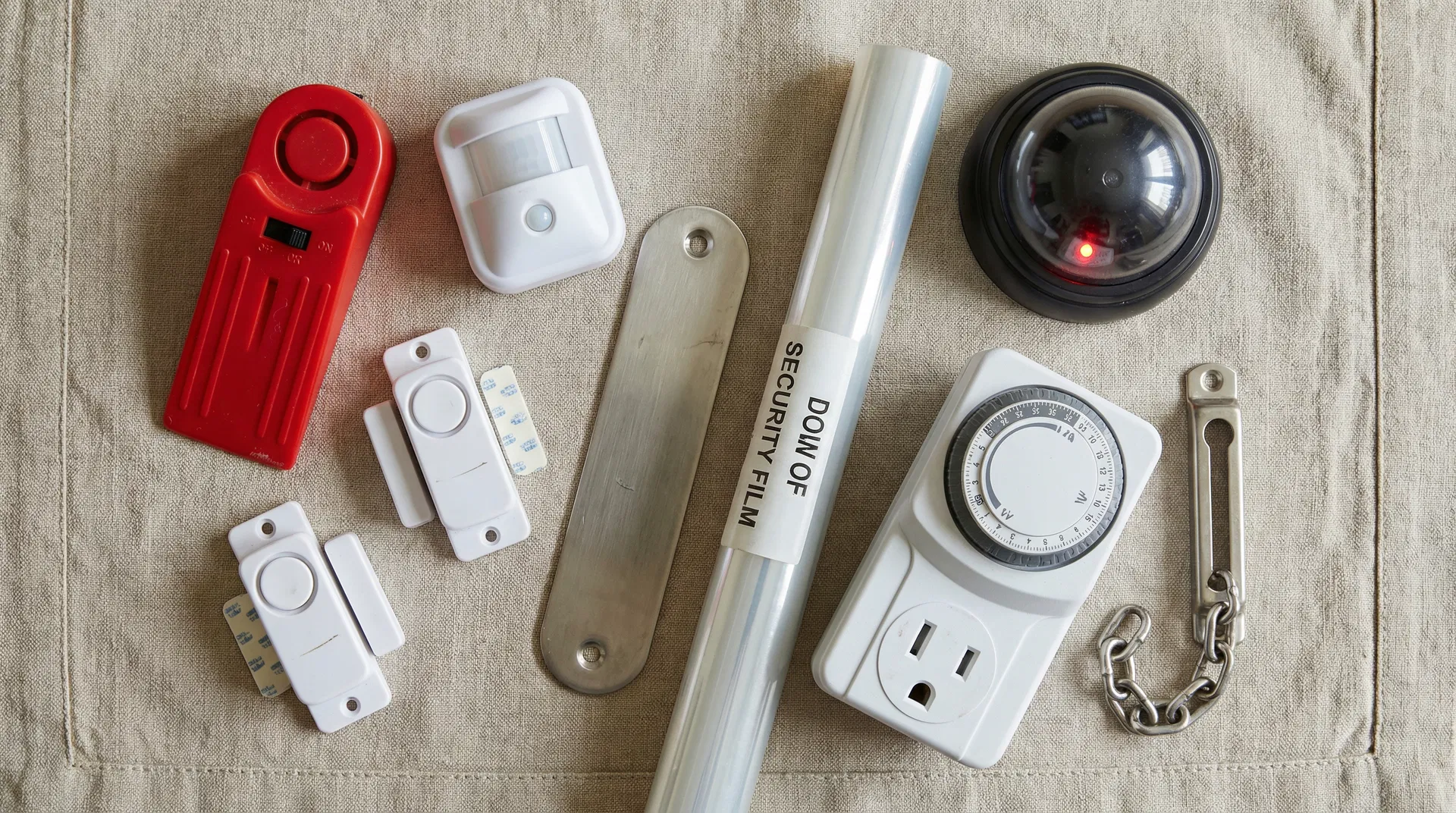
Protect your home with these proven security items from the dollar store. Each costs $1-3 and provides real deterrent value against break-ins.
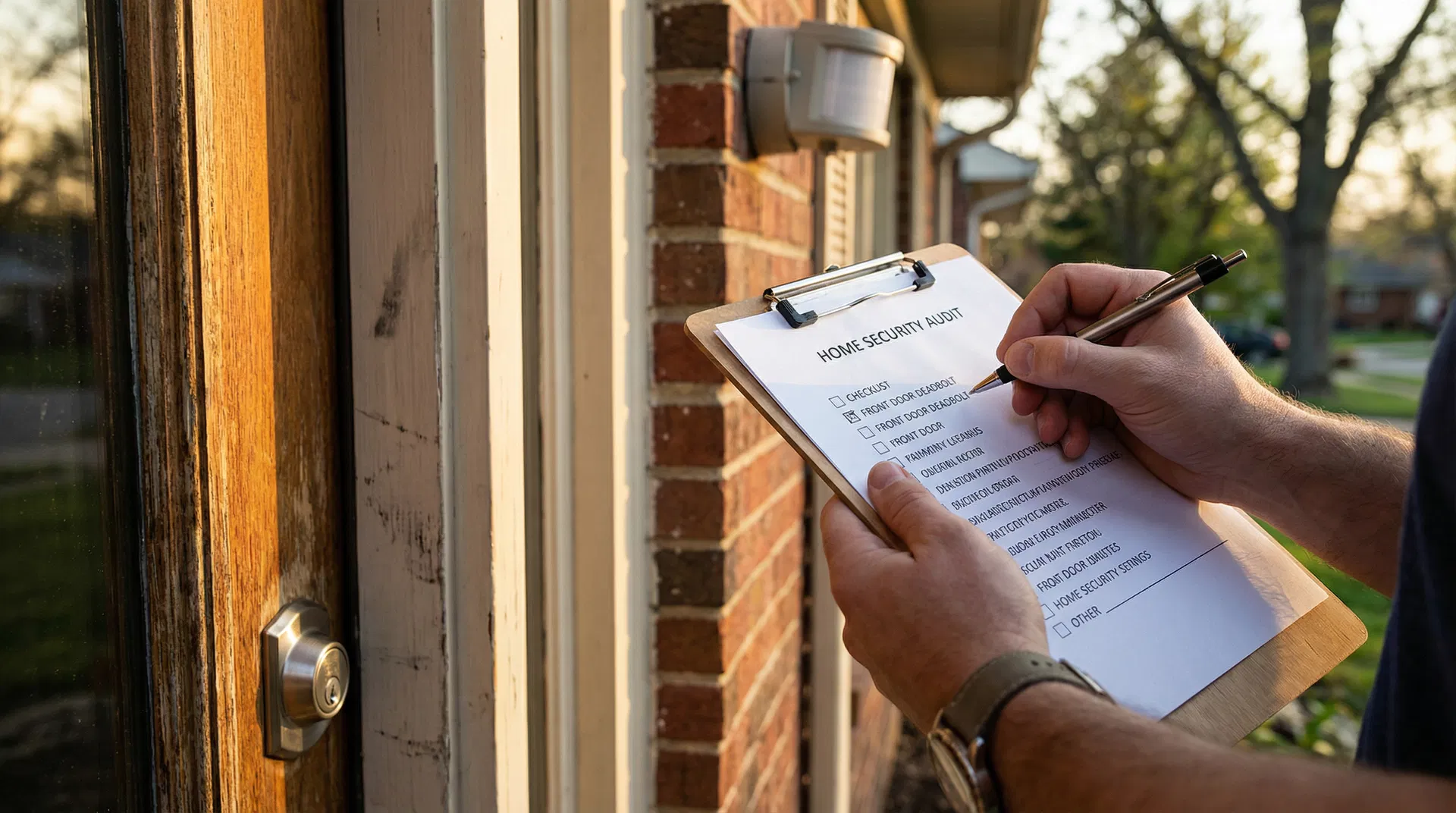
Walk your property like a burglar would and identify vulnerabilities in 5 minutes. This free audit reveals weak points most homeowners miss.