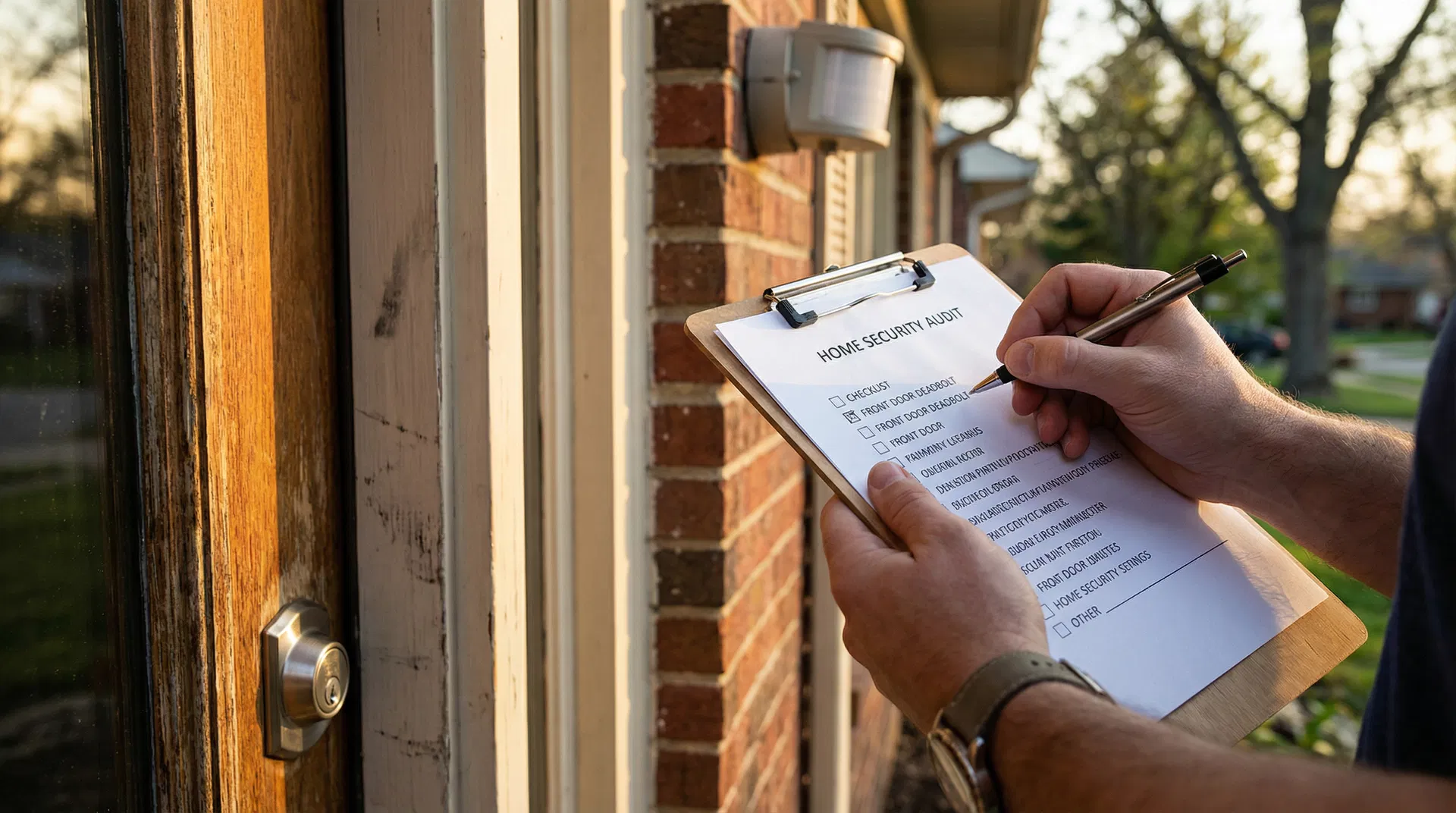
**Burglars spend 60 seconds evaluating your home before deciding to break in.** They're looking for specific vulnerabilities most homeowners never notice. This 5-minute audit reveals the exact weak points criminals exploit, and costs nothing to perform.
The 5-Minute Security Audit: Find Your Home's Weak Points
Estimated read time: 6 minutes | Difficulty: Beginner | Total cost: $0
Most people have no idea how vulnerable their home is until it's too late. You lock your doors, maybe set an alarm, and assume you're safe. But security isn't about what you think you've done, it's about what an intruder can actually exploit. The difference between a secure home and an easy target often comes down to a handful of overlooked weak points that take minutes to identify and fix.
I learned this the hard way during military training, where we practiced breaching structures and identifying vulnerabilities. The lessons were clear: security failures are almost never about sophisticated attacks, they're about basics that nobody checked. A ground-floor window left unlocked. A door with a weak strike plate. Bushes that provide perfect cover. These aren't theoretical vulnerabilities, they're the exact entry points burglars use every single day.
This audit takes 5 minutes and costs nothing. You'll walk your property the way an intruder would, identify your weak points, and know exactly what needs fixing. No expensive consultants, no complicated checklists, just a systematic look at your home through the eyes of someone trying to break in.
Why Most Home Security Fails
The problem isn't lack of security measures, it's lack of awareness. According to FBI data, 34% of burglars enter through the front door, 23% through first-floor windows, and 9% through the garage. The common thread? These entry points had exploitable weaknesses that homeowners never identified.
Burglars don't pick locks or break windows as their first choice. They look for unlocked doors, weak frames, hidden entry points, and cover from neighbors' view. A 2013 study of convicted burglars found that 85% said they would abandon a target if they encountered unexpected resistance or visibility. Your audit's goal is simple: identify and eliminate the easy opportunities.
Security is about friction, not perfection. You don't need to make your home impenetrable, you need to make it harder to break into than your neighbor's house. Burglars are opportunists with limited time and tools. Every weak point you fix shifts the risk-reward calculation in your favor.
The 5-Minute Audit: Step-by-Step
Step 1: Walk Your Perimeter Like a Burglar (60 seconds)
Start at the street and approach your home. Don't walk to your front door like you normally would, walk around the entire perimeter, looking for entry points and cover.
What you're looking for:
- Dark corners where someone could work on a lock or window unseen
- Tall bushes or fences that provide cover from neighbors' view
- Ladders, trash cans, or furniture that could be used to reach second-floor windows
- Side gates or back entrances that aren't visible from the street
- Basement windows hidden by landscaping
Red flags:
- You can approach a door or window without being visible from the street or neighbors' windows
- There are multiple routes to your backyard that provide cover
- Tools or objects near your house could be used for break-in (ladders, pry bars, heavy rocks)
Quick fixes:
- Trim bushes below 3 feet near windows (eliminate hiding spots)
- Remove or secure items that could be used as climbing aids
- Add motion-activated lights to dark corners
Step 2: Check All Ground-Floor Windows (90 seconds)
Test every single ground-floor window. Not just the ones you think are locked, all of them. Burglars check windows systematically, and they only need one unlocked entry point.
What you're checking:
- Are they locked? Try to open each one from the outside
- Do the locks work properly? Wiggle the window, does it move despite being "locked"?
- Can you see valuables from outside? TVs, laptops, purses visible from windows are invitations
- Are there window air conditioners? These are easy to remove from outside
Red flags:
- Windows that wiggle or flex when locked (lock isn't engaging properly)
- Basement windows with no locks or broken latches
- Windows hidden by bushes or fences (perfect for quiet break-in attempts)
- Old wooden windows with rotted frames (can be pried open easily)
Quick fixes:
- Lock every window and test that locks engage fully
- Add dowel rods or security bars to sliding windows
- Install $1 window alarms on vulnerable windows
- Move valuables away from window sight lines
Step 3: Test Door Strike Plates (45 seconds)
This is the most overlooked vulnerability in home security. Your deadbolt might be strong, but if the strike plate (the metal piece the bolt slides into) is held by ½-inch screws into a hollow door frame, a single kick will rip it out.
What you're testing:
- Push hard on each exterior door while it's locked. Does the frame flex?
- Look at the strike plate screws. Are they short (½-1 inch) or long (3+ inches)?
- Check the door frame itself. Is it solid wood or hollow?
Red flags:
- Door flexes noticeably when you push on it while locked
- Strike plate has short screws (most do, this is the #1 weakness)
- Gap between door and frame is wide enough to see light through
- Door is solid but frame is weak or rotted
Quick fixes:
- Replace strike plate screws with 3-inch screws that reach the wall stud
- Install a door reinforcement kit ($15-30 at hardware stores)
- Add a security bar or door brace for high-risk doors
Step 4: Identify Hiding Spots Near Entry Points (30 seconds)
Burglars need time and cover to work on locks or windows. Walk around your entry points and ask: could someone stand here for 60 seconds without being seen?
What you're looking for:
- Bushes or trees that create visual barriers near doors/windows
- Recessed doorways or covered porches that hide activity from the street
- Corners or alcoves where someone could work unobserved
- Lack of lighting at entry points (darkness = cover)
Red flags:
- You can stand at your back door and not be visible from any neighbor's window
- Front porch or side entrance is recessed and poorly lit
- Tall fence or hedge completely blocks view of your doors from the street
Quick fixes:
- Trim or remove bushes that provide cover near entry points
- Install motion-activated lights at all exterior doors
- Add solar lights along pathways to eliminate dark approach routes
Step 5: Check Garage Door Security (30 seconds)
Garages are one of the most common entry points because people focus on house doors and forget that the garage door leads directly inside.
What you're checking:
- Is the door from garage to house locked? Most people leave this unlocked
- Can the garage door be opened manually from outside? Some older doors have emergency releases accessible through the top gap
- Is there a window in the garage door? Can someone see inside to know when you're gone?
- Do you leave the garage door opener in your car? If your car is stolen, they have access to your garage
Red flags:
- Door from garage to house is never locked (this is your actual entry point)
- Garage windows show when cars are gone (signals empty house)
- Garage door has a manual release accessible from outside
- Valuable tools or equipment visible through garage windows
Quick fixes:
- Lock the door between garage and house every time you leave
- Cover garage windows or use frosted film
- Disable external access to emergency release (zip-tie it)
- Never leave garage door opener in an unlocked car
Step 6: Assess Lighting (30 seconds)
Darkness is a burglar's best friend. Walk your property at dusk or after dark and identify areas that are completely dark.
What you're looking for:
- Entry points with no lighting (front door, back door, side doors)
- Pathways or approaches that are pitch black
- Motion-activated lights that don't work or have dead bulbs
- Neighbors' sight lines at night (can they see your doors/windows?)
Red flags:
- You can approach your back door in complete darkness
- Front porch light is burned out or never used
- Side of house has no lighting at all
- Motion lights are positioned wrong or don't trigger reliably
Quick fixes:
- Replace all burned-out bulbs immediately
- Add solar lights ($1.25 at dollar stores) along dark pathways
- Install motion-activated lights at every exterior door
- Use timers on interior lights to simulate occupancy when you're gone
Step 7: Review Mail and Package Delivery Visibility (30 seconds)
Piled-up mail and packages sitting on your porch for days are giant "nobody's home" signs.
What you're checking:
- Is your mailbox visible from the street? Can neighbors see if mail is piling up?
- Where do packages get delivered? Are they visible from the street or hidden?
- Do you have a secure package delivery location? Or do they sit on your porch all day?
Red flags:
- Mail piles up visibly when you're away
- Packages sit on porch for hours/days in plain view
- No neighbors check on deliveries when you're gone
Quick fixes:
- Hold mail when traveling (free USPS service)
- Ask a neighbor to collect packages when you're away
- Install a package lockbox or designate a hidden delivery spot
- Sign up for delivery alerts so you know when packages arrive
Step 8: Check Fence and Gate Weak Points (30 seconds)
If you have a fence, it's only as secure as its weakest point. Burglars will find gaps, loose boards, or gates that don't latch properly.
What you're checking:
- Do all gates latch and lock properly?
- Are there gaps in the fence large enough to squeeze through?
- Can someone reach over/through to unlatch a gate?
- Are there loose or broken boards that could be removed?
Red flags:
- Gate doesn't latch reliably (wind blows it open)
- Latch is reachable from outside by reaching over
- Fence has gaps or loose sections
- Gate has no lock (just a latch)
Quick fixes:
- Add locks to gates (even cheap padlocks add friction)
- Repair loose boards and gaps
- Install latches that can't be reached from outside
- Use zip ties as secondary barriers on gates
Step 9: Evaluate Neighbor Sightlines (30 seconds)
Your neighbors are your best security system, if they can see your entry points and notice unusual activity.
What you're checking:
- Can neighbors see your front door? Back door?
- Would a neighbor notice someone at your windows during the day?
- Are there blind spots where someone could work unobserved?
Red flags:
- No neighbors can see your back door or side entrances
- Tall fences or hedges completely block neighbors' view
- Your house is set back from the street with no visibility
Quick fixes:
- Introduce yourself to neighbors and exchange phone numbers
- Ask neighbors to watch for unusual activity when you're away
- Consider trimming hedges that block all sight lines (balance privacy with security)
Step 10: Document Valuables (30 seconds)
This isn't about preventing break-ins, it's about recovery and insurance claims if the worst happens.
What you're checking:
- Do you have photos/serial numbers of valuable items?
- Is your homeowner's/renter's insurance up to date?
- Could you list everything stolen if you had to file a police report tomorrow?
Quick fixes:
- Take photos of all valuables (electronics, jewelry, tools)
- Record serial numbers and model numbers
- Store this documentation off-site (cloud storage, email to yourself)
- Review insurance coverage to ensure it's adequate
Your Security Audit Checklist
Print this checklist and complete it today:
- Walked perimeter looking for cover and dark corners
- Tested all ground-floor windows (locked and functional)
- Checked door strike plates and frame strength
- Identified hiding spots near entry points
- Verified garage door security and interior door lock
- Assessed lighting at all entry points and pathways
- Reviewed mail/package delivery visibility
- Checked fence and gate weak points
- Evaluated neighbor sightlines
- Documented valuables with photos and serial numbers
What to Do With Your Findings
Prioritize fixes based on ease and impact:
Fix immediately (today):
- Lock all windows
- Replace burned-out bulbs
- Trim bushes blocking entry points
- Lock garage-to-house door
Fix this week:
- Replace strike plate screws with 3-inch screws
- Add window alarms to vulnerable windows
- Install motion lights at dark entry points
- Set up mail hold for upcoming trips
Fix this month:
- Repair weak fence sections
- Add security bars to sliding doors/windows
- Install better locks on gates
- Consider a doorbell camera for front door
The audit itself is free and takes 5 minutes. Most of the fixes cost under $20 and take under an hour. You don't need to do everything at once, start with the highest-risk vulnerabilities and work your way down the list.
The Bottom Line
Security isn't about expensive systems, it's about eliminating easy opportunities. This 5-minute audit will reveal weaknesses you didn't know existed. Most people are shocked by what they find: unlocked windows they forgot about, doors that can be kicked in with one hit, dark corners perfect for hiding, and entry points completely hidden from neighbors' view.
The difference between a secure home and a target is often just a few overlooked details. Burglars aren't masterminds, they're opportunists who check doors, test windows, and look for the path of least resistance. Your audit identifies those paths and shows you exactly how to close them.
Do this audit today. Walk your property with fresh eyes, check every entry point, and make a list of what needs fixing. You'll sleep better tonight knowing exactly where you stand, and what to do about it.
What did you find during your security audit? Share your biggest surprise in the comments, your experience might help others identify vulnerabilities they've overlooked.
No comments yet. Be the first to share your thoughts!
Related Articles

Secure your rental home without drilling holes or violating your lease. Budget-friendly security solutions for apartments.
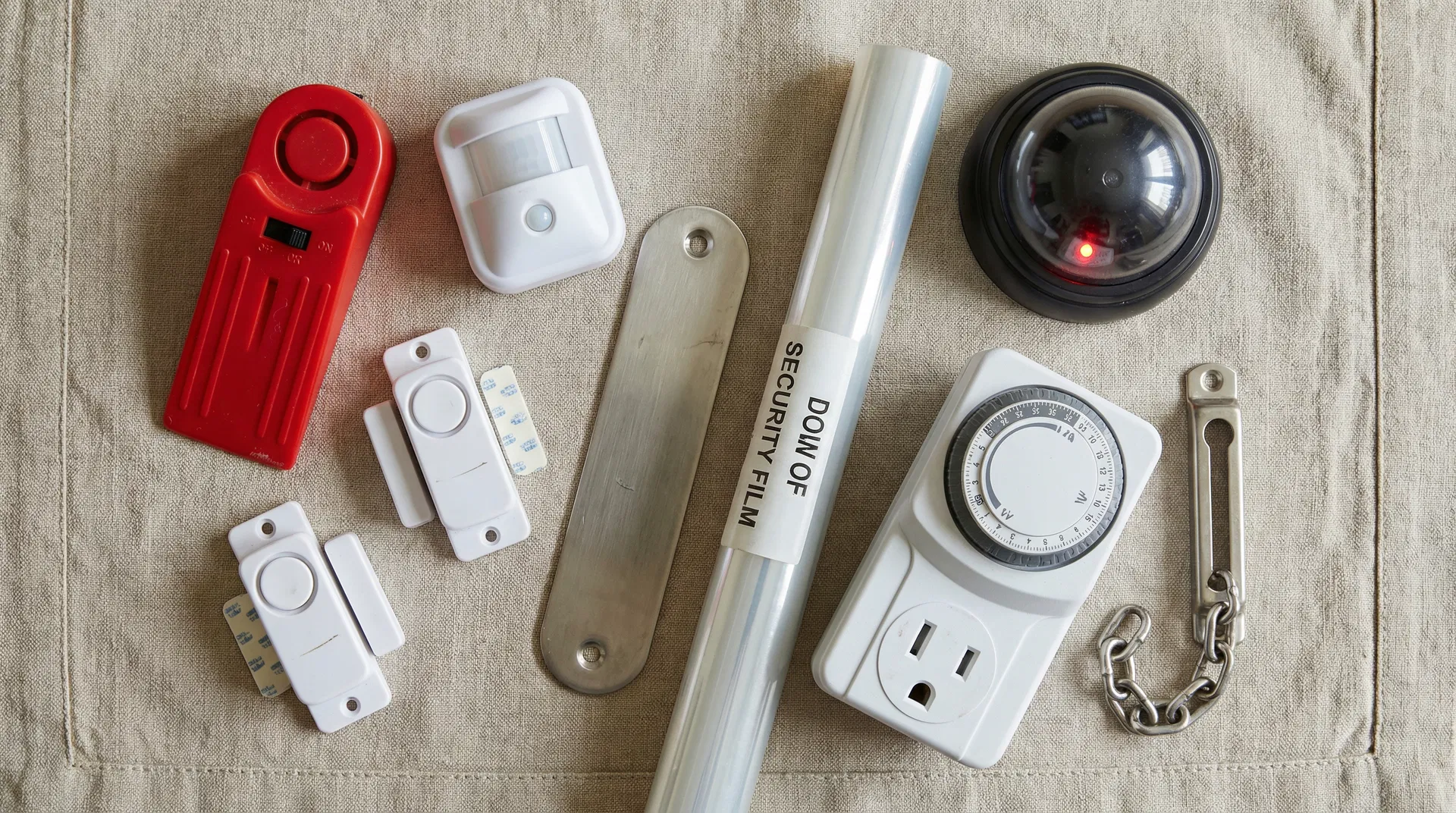
Protect your home with these proven security items from the dollar store. Each costs $1-3 and provides real deterrent value against break-ins.
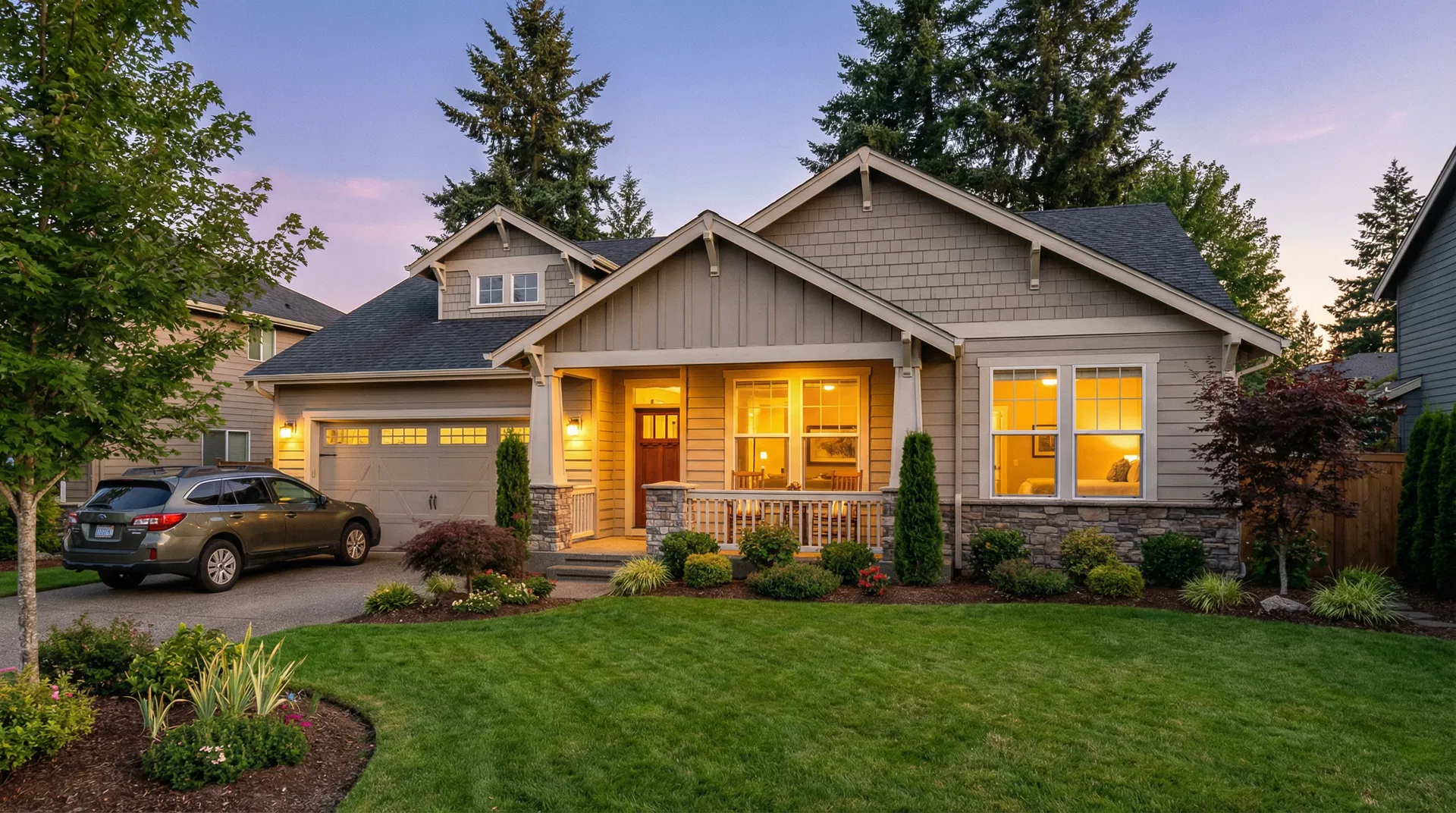
Protect your empty home from burglars with these free and low-cost strategies. Most vacation break-ins succeed because of obvious mistakes that cost nothing to prevent.