Economic Collapse Indicators: What Actually Happens (Not Mad Max)
Argentina 2001: bank withdrawals frozen, $85B default. Venezuela 2016-2018: inflation from 800% to 1.7 million%. Greece: 27% unemployment. Real economic collapse is survivable but grinding—not apocalypse, but years of hardship.

**Argentina 2001: bank withdrawals frozen overnight, $85 billion default.** Venezuela 2016-2018: inflation from 800% to 1.7 million%. Greece: 27% unemployment. Real economic collapse isn't Mad Max; it's years of grinding hardship. Here's what actually happens.
Economic Collapse Indicators: What Actually Happens (Not Mad Max)
Estimated read time: 11 minutes | Difficulty: Advanced | Total cost: $100-500
This article discusses potential emergency scenarios based on historical events and expert analysis. The goal is to help you prepare realistically, not to cause alarm.
Key Takeaways:
- Argentina 2001: Bank withdrawals frozen, $85 billion sovereign default, peso lost 66-75% of value overnight
- Venezuela 2016-2018: Inflation went from 800% to 1,700,000% in 2 years
- Greece 2010-2015: 27% unemployment, 50%+ youth unemployment, repeated pension cuts
- Real collapse is survivable but grinding, not apocalypse, but years of hardship
The phrase "economic collapse" conjures images from apocalyptic fiction: empty cities, roving gangs, barter economies based on ammunition and canned goods, the complete breakdown of civilization. This Hollywood version of economic collapse is dramatic, frightening, and almost entirely wrong.
Real economic collapses, as documented in Argentina, Venezuela, Greece, and numerous other countries over the past few decades, look very different from the Mad Max scenario. They're slower, more complex, and in some ways more insidious than sudden apocalypse. Understanding what actually happens during economic collapse, based on historical evidence rather than fiction, is essential for realistic preparation.
The good news is that real economic collapse is survivable with preparation and adaptation. The bad news is that it's a grinding, long-term crisis that tests individuals, families, and communities in ways that sudden disasters don't. The question isn't whether economic instability will affect you, but when and how severe it will be.
What "Economic Collapse" Actually Means
Economic collapse is not a single event but a process, a progressive deterioration of economic conditions that unfolds over months or years. It doesn't mean the complete cessation of economic activity. It means the severe disruption of normal economic function, typically characterized by some combination of these factors:
Hyperinflation or Severe Inflation
Prices rise faster than incomes, making basic goods increasingly unaffordable. In extreme cases, prices double every few days or weeks, rendering currency nearly worthless for storing value.
Currency Devaluation
A nation's currency loses value relative to other currencies or to real goods. This makes imports expensive or impossible and can trigger shortages of goods that depend on imported components.
Banking System Dysfunction
Manifests as:
- Bank runs
- Withdrawal limits
- Bank holidays
- "Bail-ins" where depositors' funds are used to rescue failing banks
People lose access to their money even though it theoretically still exists.
Unemployment and Underemployment
Spike as businesses fail, government services are cut, and economic activity contracts. People who were securely employed find themselves without income.
Shortages of Goods
Develop not because production has stopped but because:
- Distribution systems break down
- Imports become unaffordable
- Price controls create black markets
Government Service Degradation
Tax revenues collapse and governments can't pay for basic services. Police, fire, sanitation, healthcare, and education services are reduced or eliminated.
Social Cohesion Stress
Economic hardship creates:
- Competition for scarce resources
- Resentment toward those perceived as better off
- Breakdown of trust in institutions
Important: Economic collapse doesn't mean the end of government, the end of money, or the end of civilization. It means a severe reduction in living standards, a shift to survival-focused behavior, and a long period of adaptation to new economic realities.
Argentina 2001: A Modern Collapse Case Study
Argentina's economic crisis of 2001-2002 provides a well-documented example of economic collapse in a modern, developed nation. The country had been relatively prosperous, with a large middle class and modern infrastructure. The collapse wasn't caused by war, natural disaster, or revolution, it was caused by unsustainable economic policies, debt accumulation, and loss of investor confidence.
The Breaking Point
November 29, 2001: Major investors began withdrawing deposits from banks.
Government response: Froze bank accounts, limiting withdrawals to $250 per week. This "corralito" (little corral) trapped people's savings in banks they couldn't access.
Imagine: Having $50,000 in your bank account but being able to withdraw only $250 per week while prices skyrocket.
The Collapse
December 2001: Government declared the largest sovereign default in history at that time: $85 billion in debt.
Currency devaluation: The peso, which had been pegged to the U.S. dollar at a 1:1 ratio, was devalued. Within months, it took 3-4 pesos to buy what one peso had bought before.
People's savings lost 66-75% of their value overnight.
The Impact
- Unemployment spiked above 20%
- Poverty rates soared
- Riots broke out in Buenos Aires and other cities
- Government cycled through 5 presidents in 2 weeks
- Social order frayed but didn't collapse completely
How People Survived
They adapted:
- Barter networks emerged
- People with skills traded services
- Those with goods traded them for necessities
- Extended families pooled resources
- Community gardens appeared
- People learned to make do with less, repair instead of replace, and rely on relationships rather than institutions
The Recovery
The crisis didn't end quickly. Argentina spent years recovering, and some would argue it never fully recovered. But life continued. People adapted. The country didn't descend into permanent chaos.
The lesson: Economic collapse is survivable, but it requires adaptation, resilience, and community support.
Venezuela 2016-Present: Hyperinflation in Real Time
Venezuela's ongoing economic crisis provides a more recent and more severe example of economic collapse. The country went from relative prosperity in the early 2000s to hyperinflation and humanitarian crisis by the late 2010s.
The Numbers
| Year | Inflation Rate |
|------|----------------|
| 2016 | 800% |
| 2017 | 4,000% |
| 2018 | 1,700,000% |
At the peak, prices were doubling every 19 days. A cup of coffee that cost 450 bolivars in January might cost 1 million bolivars by December.
The Progression
- Declining oil revenues (Venezuela's economy depends heavily on oil exports)
- Government printed money to cover budget deficits → inflation
- Price controls created shortages (producers couldn't afford to make goods at controlled prices)
- Shortages led to rationing and black markets
- Currency devaluation made imports unaffordable
- Banking system became dysfunctional as inflation destroyed deposit value faster than interest could accumulate
The Human Impact
- Millions of Venezuelans fled the country
- Those who remained faced food shortages, medicine shortages, and collapse of basic services
- Hospitals ran out of supplies
- Electricity became unreliable
- Water service was intermittent
- Crime increased as desperate people turned to theft and violence
How People Survived
Even in Venezuela, civilization didn't end. People adapted:
- Used U.S. dollars or cryptocurrencies instead of bolivars
- Shopped in Colombia or other neighboring countries when possible
- Relied on remittances from relatives who had left the country
- Grew food, raised chickens
- Found ways to survive
The lesson: Even extreme economic collapse doesn't mean the end of society, but it does mean severe hardship, dramatic lifestyle changes, and years of grinding poverty for most people.
Greece 2010-2015: Austerity and Adaptation
Greece's debt crisis provides an example of economic collapse in a developed European nation. While less severe than Argentina or Venezuela, the Greek crisis still caused immense hardship.
The Crisis
The crisis began with revelation that Greece's government debt was far higher than reported. International lenders demanded austerity measures in exchange for bailouts.
Government actions:
- Cut spending
- Raised taxes
- Implemented painful reforms
Impact:
- Unemployment reached 27%
- Youth unemployment exceeded 50%
- Pensions and salaries were cut repeatedly
- Banks imposed withdrawal limits to prevent bank runs
How Greeks Adapted
- Returned to multi-generational households to share expenses
- Barter networks and local currencies emerged in some communities
- People grew more of their own food
- Extended families pooled resources
- Those with skills offered services for trade rather than cash
The lesson: Economic collapse in developed nations with strong institutions looks different from collapse in less developed nations, but it still causes severe hardship and requires significant adaptation.
The Real Progression: From Stability to Crisis
Economic collapse doesn't happen overnight. It follows a progression that, in retrospect, seems predictable but in real-time feels like a series of unfortunate events.
Stage 1: Warning Signs
- Rising government debt
- Increasing inflation
- Currency devaluation
- Declining economic growth
- Political instability
Reality: Most people don't recognize a crisis is coming. Life continues normally for most, though economists and financial professionals may express concern.
Stage 2: Emerging Crisis
- Accelerating inflation
- Banking system stress
- Capital flight (wealthy individuals moving money out of the country)
- Increasing unemployment
Reality: People begin to worry but hope the government will fix the problems. Some begin preparing by buying hard assets or foreign currency.
Stage 3: Acute Crisis
- Banks limit withdrawals
- Currency devalues sharply
- Inflation becomes hyperinflation
- Shortages develop
- Social unrest begins
Reality: This is the stage most people think of as "collapse." It's frightening and chaotic, but it's also when adaptation begins.
Stage 4: Adaptation
- Barter networks emerge
- Alternative currencies gain acceptance
- People reduce consumption, grow food, repair instead of replace
- Rely on community networks
Reality: This stage can last years.
Stage 5: Stabilization
- Worst of the crisis passes
- New economic norms establish themselves
- Growth resumes from a much lower base
Reality: Recovery is slow and uneven. Some people never recover their previous living standards.
Key Insight: Economic collapse is a process, not an event. You have time to prepare if you recognize the warning signs. The earlier you prepare, the better your position when acute crisis arrives.
What Stays Valuable (And What Doesn't)
Understanding what retains value during economic collapse helps you prepare effectively.
What Retains Value
Food - People must eat regardless of economic conditions. Non-perishable food becomes a form of currency.
Water and water purification - Essential for life. In severe collapse where infrastructure fails, water sources and purification methods become critical.
Fuel - Enables transportation, heating, cooking, and power generation. Gasoline, diesel, propane, and firewood all become valuable trade goods.
Medicine and medical supplies - Health needs don't stop during economic crisis. Antibiotics, pain relievers, first aid supplies, and prescription medications become precious.
Skills - People still need services: medical care, repairs, food production, security, education. Those with valuable skills can trade services for goods.
Tools - Enable productivity. Hand tools, gardening equipment, repair tools, and other implements become valuable for their utility.
Hard assets - Land, buildings, and durable goods retain value better than currency. Real estate, vehicles (if fuel is available), and equipment hold value even as currency collapses.
Precious metals - Gold and silver retain value as stores of wealth and potential mediums of exchange, though they're less useful than food or fuel in the short term.
Foreign currency - If it's from a stable country. U.S. dollars, euros, or Swiss francs hold value even when local currency collapses.
Social capital - Relationships, reputation, community standing become increasingly valuable. Those with strong community ties fare better than isolated individuals.
What Loses Value
- Cash in local currency - Loses value rapidly during hyperinflation
- Financial assets - Stocks and bonds often collapse
- Luxury goods - Become worthless as people focus on necessities
- Debt - Can be inflated away, benefiting debtors at the expense of creditors
Your Economic Resilience Action Plan
Immediate Actions (Do Today)
1. Assess your economic vulnerability honestly
- How dependent are you on a single income source?
- How much of your wealth is in currency or financial assets?
- How would you survive if your income stopped or your savings lost most of their value?
This assessment reveals your exposure to economic crisis.
2. Diversify your assets across different categories
Don't keep all your wealth in one form:
- Some in currency for immediate needs
- Some in hard assets
- Some in food and supplies
- Some in skills and tools
Diversification protects you from any single point of failure.
This Week
1. Build a financial buffer in cash (physical currency, not just bank deposits)
Keep enough cash at home to cover several weeks of expenses. This protects you from:
- Bank failures
- Withdrawal limits
- Electronic payment system failures
2. Reduce debt where possible
Debt can be inflated away during hyperinflation, benefiting debtors, but it can also become crushing if you lose income.
Priority:
- Pay off high-interest debt
- Avoid new debt
This Month
1. Invest in tangible skills
Learn to provide value regardless of economic conditions:
- Grow food
- Repair things
- Provide medical care
- Other services people need
Skills can't be inflated away or confiscated.
2. Build community networks and relationships
Economic collapse is easier to survive with community support:
- Develop relationships with neighbors
- Join community organizations
- Build social capital that will help you during crisis
3. Consider diversifying into hard assets
Appropriate to your situation:
- Land for growing food
- Tools for a trade
- Solar panels for power independence
- Other tangible assets that provide utility
4. Store food, water, and essential supplies
These provide:
- Security regardless of economic conditions
- Trade goods if necessary
The Bottom Line: Not Mad Max, But Not Easy Either
Real economic collapse, as demonstrated by Argentina, Venezuela, Greece, and other examples, is not the Hollywood apocalypse. Civilization doesn't end. Most people survive. Life continues, though at a much lower standard for most.
But survival isn't the same as thriving. Economic collapse means years of hardship:
- Reduced income
- Higher prices
- Shortages of goods
- Degraded services
- Constant stress about meeting basic needs
It means adapting to a new reality where things you took for granted become luxuries or impossibilities.
The Good News
Preparation makes a dramatic difference. Those who:
- Recognize warning signs early
- Diversify their assets
- Build skills
- Store essentials
- Develop community networks
...fare far better than those caught unprepared.
The difference between someone who prepared and someone who didn't can be the difference between weathering the storm and drowning in it.
The Reality
Economic instability is not a question of if but when and how severe. The global economy is interconnected and fragile:
- Debt levels are historically high
- Political instability is increasing
- Climate change is stressing resources
The next economic crisis is coming, whether it's a mild recession or a severe collapse.
Your preparation today determines your resilience tomorrow. You can't prevent economic collapse, but you can prepare to survive and even thrive during it. The choice is yours.
What's Next?
This concludes our Reality Check series on underreported preparedness realities. We've covered power grid vulnerabilities, supply chain fragility, government response limitations, water system failures, and economic collapse indicators. These articles provide the foundation for realistic preparation based on historical evidence rather than Hollywood fiction.
Related Articles:
- 30-Day Food Storage for Under $50: Complete Shopping List
- Bartering Basics: What to Trade When Money's Worthless
- Building Neighborhood Preparedness Networks (Without Being 'That Guy')
Sources & Further Reading
[1] 1998-2002 Argentine great depression - Wikipedia. https://en.wikipedia.org/wiki/1998%E2%80%932002_Argentine_great_depression
[2] Hyperinflation in Venezuela - Wikipedia. https://en.wikipedia.org/wiki/Hyperinflation_in_Venezuela
[3] Argentina's 2001 economic and Financial Crisis - Brookings Institution. https://www.brookings.edu/wp-content/uploads/2016/06/11_argentina_kiguel.pdf
[4] Venezuela's Hyperinflation And The IMF's Faulty Forecasts - Cato Institute. https://www.cato.org/commentary/venezuelas-hyperinflation-imfs-faulty-forecasts
No comments yet. Be the first to share your thoughts!
Related Articles

Grocery stores carry 3 days of inventory. During COVID-19, panic buying reduced that to less than 1 day. If trucks stopped running, stores would be empty within 4-5 days. Understanding just-in-time inventory is essential for realistic food storage planning.

FEMA's own goal is 2-4 days response time, not 72 hours. Hurricane Katrina took days. Hurricane Maria left 3.7 million without power for nearly a year. Understanding real government response timelines is critical for adequate preparation.
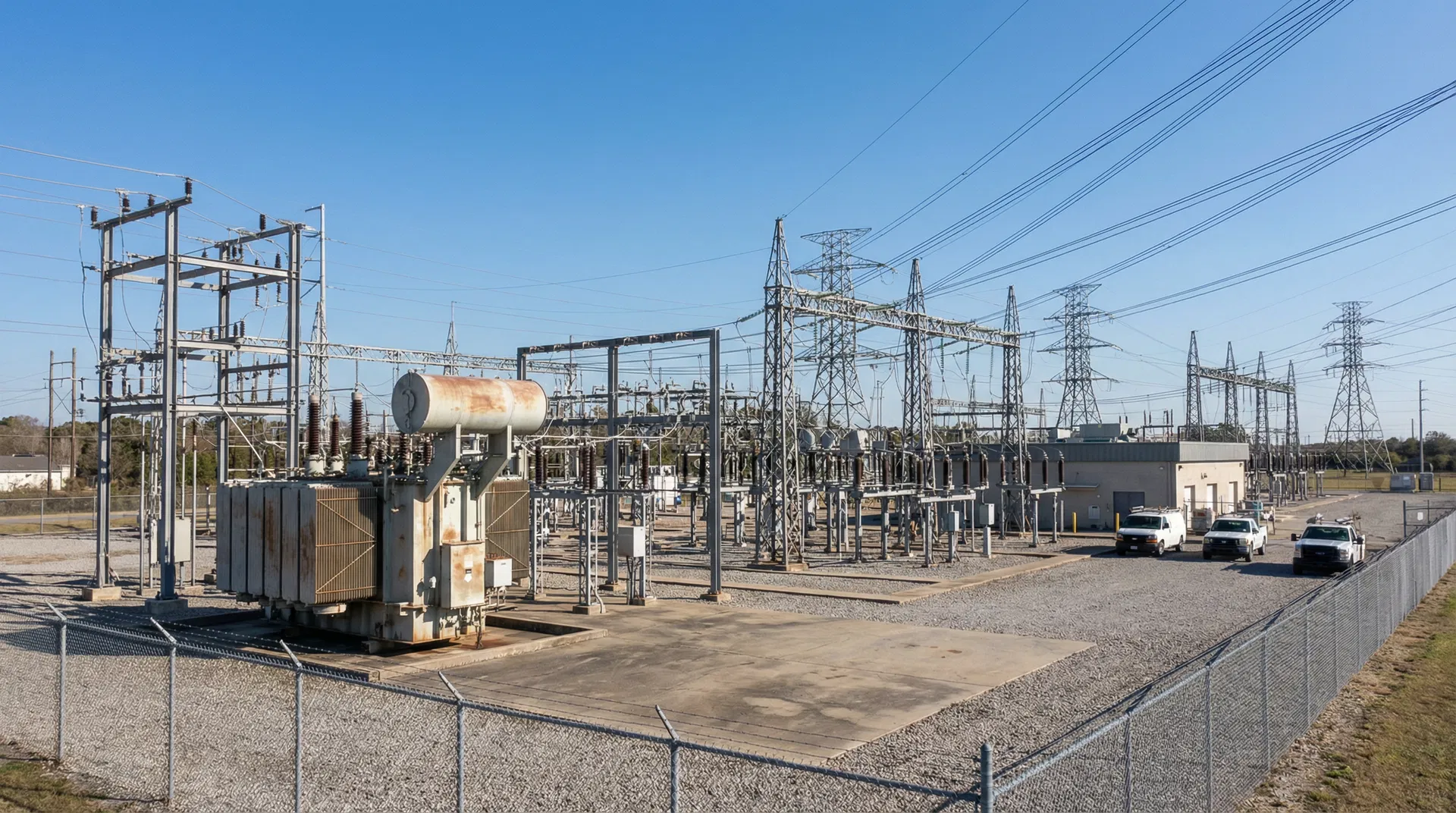
Texas was 4 minutes from a grid collapse that would have taken weeks to restore. The 2003 blackout left NYC without power for 2 days. When the grid fails, the official "72-hour" advice becomes dangerously inadequate.